
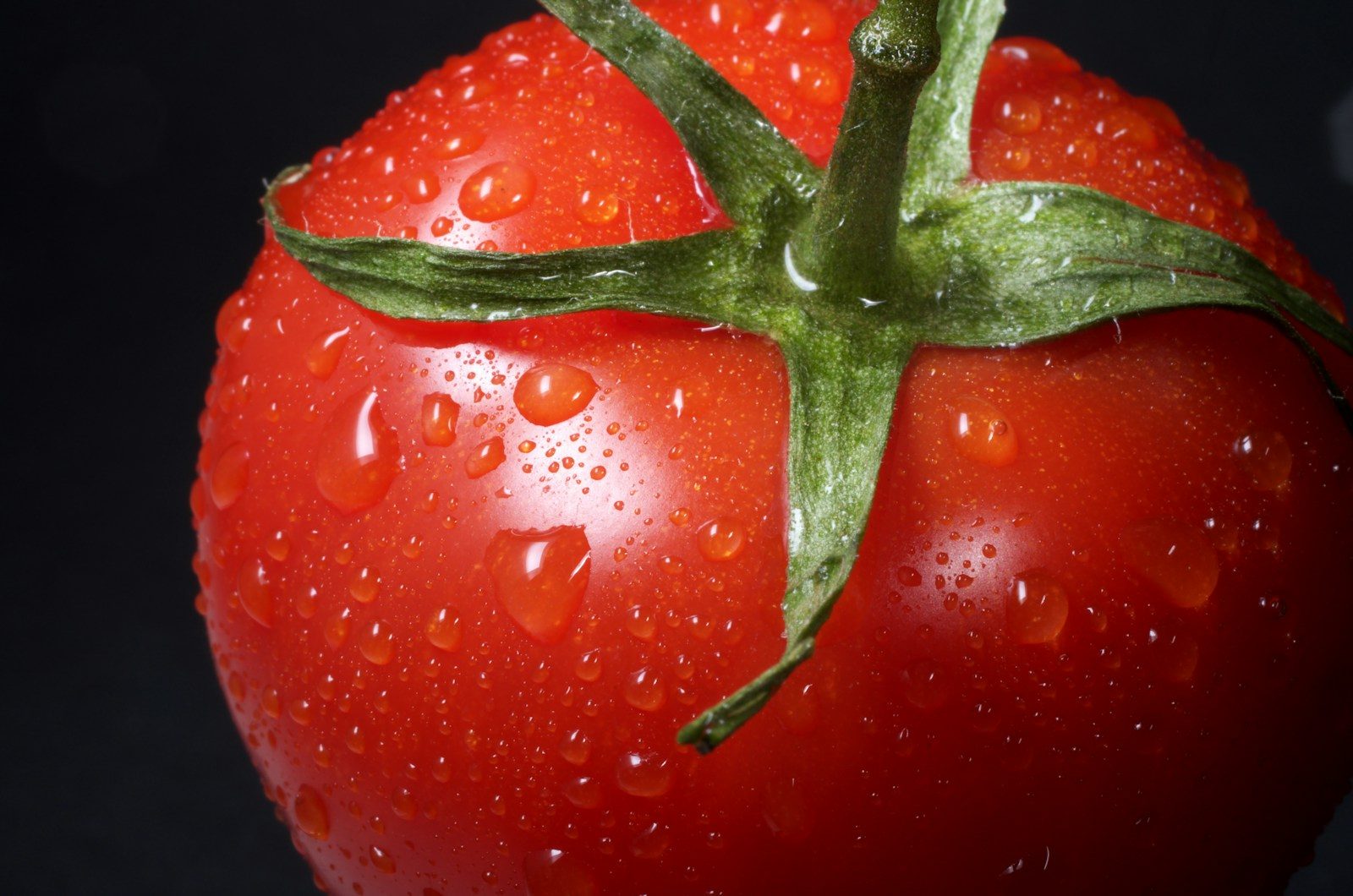
Tomato prices are rising across the U.S., and shoppers in Wisconsin may be seeing it at the checkout.
The average price for fresh tomatoes reached about $2.26 per pound in March, the highest level in nearly a decade, according to the U.S. Bureau of Labor Statistics Consumer Price Index. Prices jumped 15.3% from February to March and are up 22.6% from a year ago.
### Why prices are climbing
Several factors are pushing costs higher, many of them outside local control.
Higher fuel prices are one piece of the puzzle. Disruptions tied to conflict in the Middle East — including shipping through the Strait of Hormuz — have driven up global oil prices, increasing the cost of transporting food. The United Nations Conference on Trade and Development reports that about one-third of global seaborne fertilizer also moves through that route.
Fertilizer itself is another pressure point. The Middle East is a major producer of ingredients used in nitrogen fertilizers, including urea and ammonia. The American Farm Bureau Federation says the region supplies roughly 49% of global urea exports and about 30% of ammonia exports.
When fertilizer and fuel cost more, farmers and distributors pay more — and those costs can show up on grocery shelves.
### Trade policy adds to costs
Trade decisions are also affecting tomato prices.
About two-thirds of fresh tomatoes eaten in the U.S. are imported from Mexico, according to the U.S. Department of Agriculture.
In 2025, the U.S. withdrew from a long-standing agreement that had regulated tomato trade with Mexico. That move triggered a 17% tariff on imported tomatoes, according to the U.S. Department of Commerce. Mexico later set minimum export prices, effectively raising costs further depending on the variety, as reported by Supply Chain Brain.
Economists estimate these trade changes alone could raise tomato prices by roughly 7% to 10%, according to Forbes.
### Seasonal supply matters
Spring is typically when imports from Mexico peak, and prices often rise. This year’s increase is steeper than usual, said Ricky Volpe, an agribusiness professor at California Polytechnic State University, in an interview with Axios. He said prices may not ease without a strong harvest from California growers.
### It’s not just tomatoes
Other parts of the food system are under pressure, too.
Corn prices have climbed above $4 per bushel, according to market data, driven in part by strong demand. The U.S. Department of Agriculture has also reported increased demand for feed crops, which can affect prices across meat and dairy products.
Higher demand for beef and chicken is pushing feed demand higher, economists say, increasing the need for fertilizer-intensive crops like corn.
### What it means locally
For households, higher tomato prices can show up in everyday items — from salads and sandwiches to pasta sauce and salsa.
Restaurants and small food businesses may feel the squeeze as ingredient costs rise. Some adjust portion sizes, substitute ingredients or raise menu prices to keep up.
At the same time, not every grocery item is rising. Overall grocery prices dipped slightly — down 0.2% in March — according to the latest Consumer Price Index report, suggesting some relief in other categories even as produce prices fluctuate.
For Wisconsin shoppers heading into summer, local growing season could help stabilize prices later in the year, depending on weather and harvest conditions.

Leave a Reply