
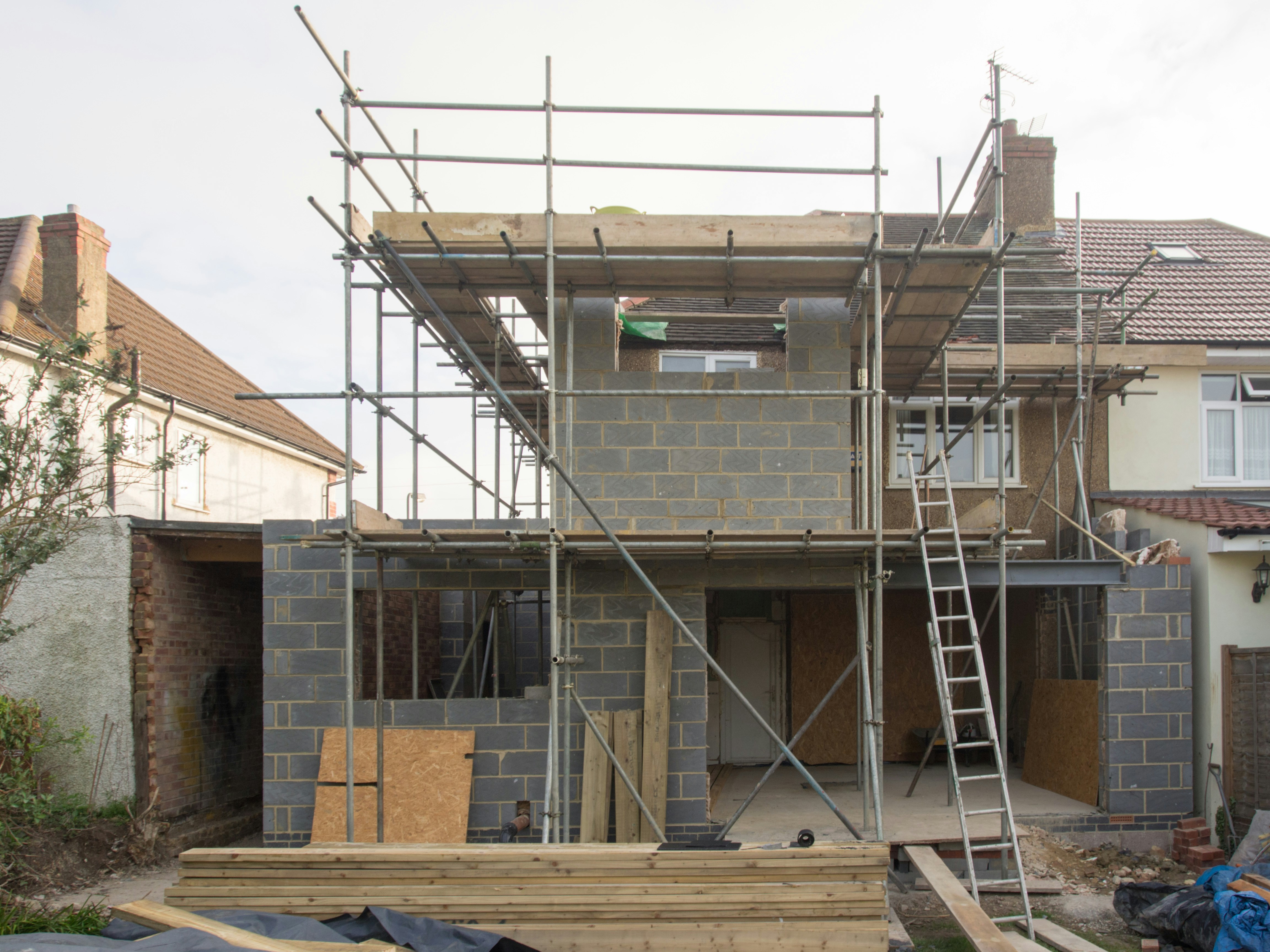
Understanding elevation requirements is crucial for homeowners, especially in areas prone to flooding. Elevation refers to the height of a structure above a specific reference point, typically sea level. This measurement is vital for determining how susceptible a home is to flood damage. In many regions, local governments enforce elevation standards to protect properties from water damage during heavy rains or storm surges. Homeowners who grasp these requirements can make informed decisions about their properties, ensuring they comply with local regulations and safeguarding their investments.
Moreover, understanding elevation requirements can significantly impact property values. Homes that meet or exceed elevation standards are often more attractive to potential buyers, particularly in flood-prone areas. Buyers are increasingly aware of the risks associated with flooding and are more likely to invest in properties that have been elevated or are built to withstand such events. By staying informed about elevation requirements, homeowners can enhance their property’s marketability and potentially avoid costly repairs in the future.
For St. Pete homeowners considering elevation and rebuilding, understanding local regulations and best practices is crucial. An insightful resource that complements this topic is an article on culinary delights, which, while seemingly unrelated, highlights the importance of community engagement and local culture in the rebuilding process. You can explore this perspective further in the article titled “The Ultimate Guide to New York’s Favorite Food” available at this link.
Impact of Flood Zones on Home Elevation
Flood zones are designated areas that indicate the likelihood of flooding based on historical data and geographical features. The Federal Emergency Management Agency (FEMA) classifies these zones, which can range from low-risk areas to high-risk flood zones. Understanding the flood zone designation of a property is essential for homeowners, as it directly influences elevation requirements and insurance rates. Homes located in high-risk flood zones may be required to be elevated to a certain height above the Base Flood Elevation (BFE), which is the level that floodwaters are expected to reach during a significant flood event.
The implications of living in a flood zone extend beyond elevation requirements. Homeowners in these areas often face higher insurance premiums due to the increased risk of flooding. Additionally, properties in high-risk zones may experience decreased market value, making it more challenging to sell or refinance. By understanding their flood zone designation, homeowners can take proactive measures to elevate their homes and mitigate potential financial losses associated with flooding.
Rebuilding Options for Homes in Flood-Prone Areas

For homeowners in flood-prone areas, rebuilding options vary based on individual circumstances and local regulations. One common approach is elevating the home, which involves raising the structure above the Base Flood Elevation. This can be achieved through various methods, including using piers, pilings, or fill material. Elevating a home not only reduces the risk of flood damage but can also lower insurance premiums and increase property value.
Another option for homeowners is to rebuild using flood-resistant materials and designs. This approach focuses on constructing homes that can withstand flooding rather than simply elevating them. For instance, using water-resistant materials for walls and flooring can help minimize damage during a flood event. Additionally, designing homes with features such as elevated electrical systems and flood vents can further protect against water intrusion. Homeowners should consult with local building officials and contractors to explore the best rebuilding options tailored to their specific needs and circumstances.
Cost Considerations for Elevation and Rebuilding

The costs associated with elevating or rebuilding a home in a flood-prone area can vary significantly based on several factors, including the size of the home, the chosen elevation method, and local labor rates. On average, homeowners can expect to spend anywhere from $10,000 to $30,000 for elevation projects, depending on the complexity of the work involved. This investment can yield substantial long-term benefits by reducing the risk of flood damage and lowering insurance premiums.
In addition to elevation costs, homeowners should also consider potential expenses related to permits, inspections, and compliance with local building codes. These costs can add up quickly, making it essential for homeowners to budget accordingly. It’s advisable to obtain multiple quotes from contractors and consult with local officials to gain a clear understanding of all potential expenses involved in elevation or rebuilding projects.
For St. Pete homeowners considering elevation and rebuilding, understanding the broader economic context can be crucial. An insightful article discusses how many U.S. farmers are struggling to afford essential fertilizers, which can indirectly affect local economies and housing markets. You can read more about this situation in the article here. This connection highlights the importance of being aware of external factors that may influence property values and rebuilding efforts in the area.
Permits and Regulations for Home Elevation Projects
Before embarking on an elevation project, homeowners must navigate a complex landscape of permits and regulations. Local building departments typically require permits for any construction work that alters the structure’s height or foundation. These permits ensure that the work complies with safety standards and local zoning laws. Homeowners should contact their local building department early in the planning process to understand the specific requirements for their area.
In addition to local regulations, homeowners must also consider federal guidelines set forth by FEMCompliance with these regulations is crucial for maintaining eligibility for federal disaster assistance and flood insurance programs. Homeowners should familiarize themselves with FEMA’s guidelines regarding elevation standards and floodplain management to ensure their projects meet all necessary criteria.
For homeowners in St. Pete considering elevation and rebuilding, it’s essential to stay informed about local developments that could impact property values and community dynamics. A recent article discusses the approval of a new luxury condo tower in downtown St. Pete, which may influence the real estate market and neighborhood aesthetics. You can read more about this exciting project in the article here: luxury condo tower approved. Staying updated on such developments can help homeowners make informed decisions regarding their properties.
Hiring a Qualified Contractor for Elevation and Rebuilding
Selecting a qualified contractor is one of the most critical steps in the elevation or rebuilding process. Homeowners should seek contractors with experience in flood mitigation and elevation projects, as they will be familiar with local regulations and best practices. It’s advisable to ask for references and review past projects to gauge a contractor’s expertise and reliability.
Additionally, homeowners should ensure that any contractor they consider is licensed and insured. This protects homeowners from potential liabilities during construction and ensures that the work meets industry standards. Obtaining multiple bids can also help homeowners compare costs and services offered by different contractors, allowing them to make an informed decision.
Insurance Considerations for Elevated Homes
Insurance plays a vital role in protecting homes from flood damage, particularly for those located in flood-prone areas. Homeowners should review their insurance policies to ensure they have adequate coverage for potential flooding events. Elevated homes may qualify for lower premiums due to reduced risk, making it essential for homeowners to inform their insurance providers about any elevation projects completed.
Moreover, homeowners should consider purchasing flood insurance through the National Flood Insurance Program (NFIP), which offers coverage specifically designed for properties at risk of flooding. Understanding the terms of this insurance is crucial; policies may have specific requirements regarding elevation that homeowners must meet to maintain coverage eligibility. Regularly reviewing insurance policies and staying informed about changes in coverage options can help homeowners protect their investments effectively.
Resources and Assistance for Homeowners in Elevation and Rebuilding Efforts
Homeowners seeking assistance with elevation and rebuilding efforts have access to various resources at both local and national levels. FEMA provides valuable information on flood mitigation strategies, including guidance on elevating homes and understanding flood insurance options. Their website offers resources tailored to homeowners looking to navigate the complexities of flood risk management.
Local government agencies often have programs designed to assist residents in flood-prone areas. These programs may include grants or low-interest loans for elevation projects or rebuilding efforts that comply with local regulations. Homeowners should reach out to their city or county planning departments to inquire about available resources and assistance programs tailored to their specific needs.
In conclusion, understanding elevation requirements is essential for homeowners in flood-prone areas. By grasping the impact of flood zones on home elevation, exploring rebuilding options, considering costs, navigating permits, hiring qualified contractors, addressing insurance needs, and utilizing available resources, residents can take proactive steps to protect their homes from flooding risks. With careful planning and informed decision-making, homeowners can enhance their properties’ resilience against future flooding events while safeguarding their investments for years to come.

Leave a Reply