
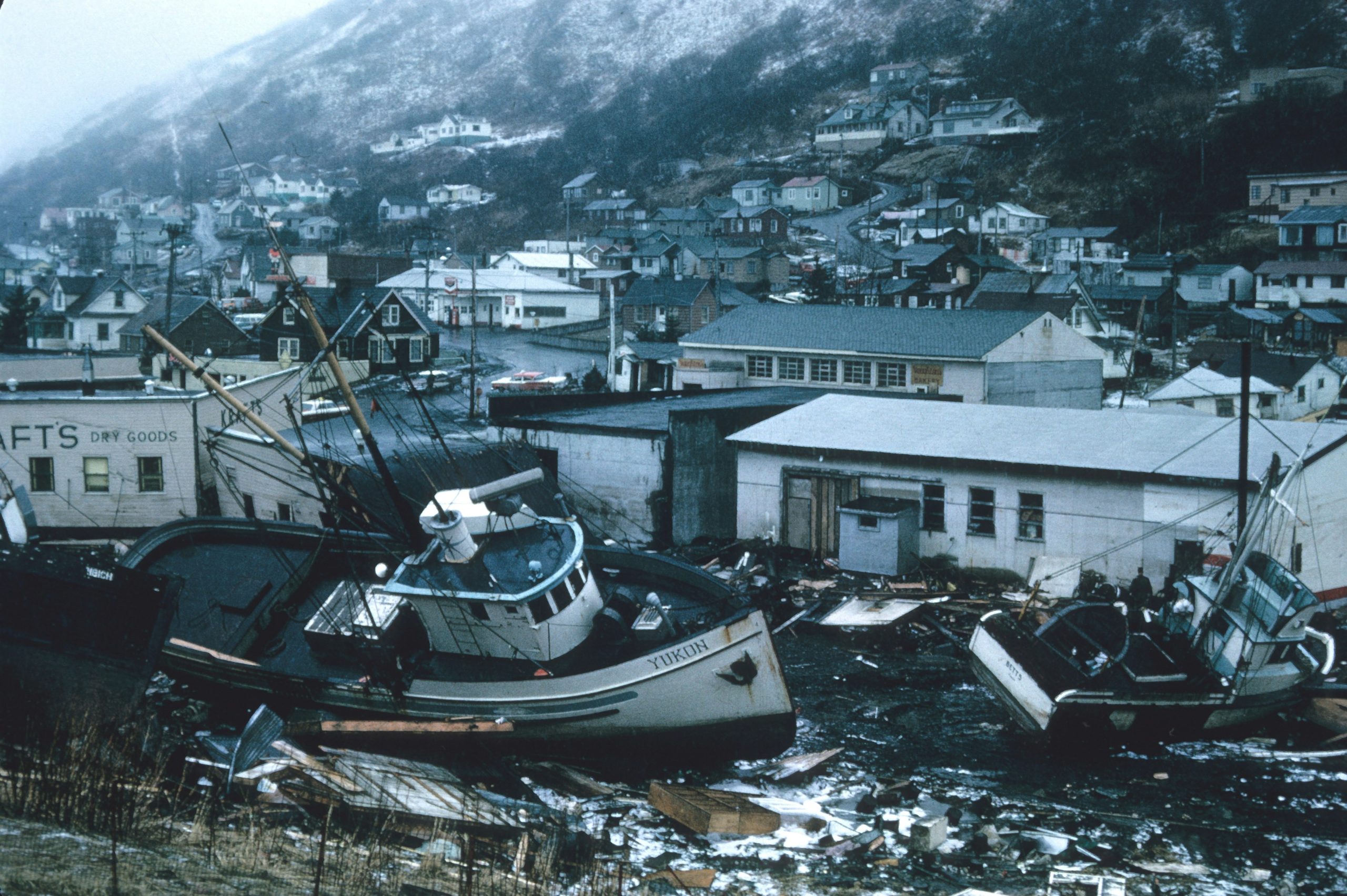
Flooding has become an increasingly pressing issue in St. Petersburg, particularly in neighborhoods that are more susceptible to rising sea levels and heavy rainfall. Areas such as the Old Northeast, Shore Acres, and parts of the downtown district frequently experience water inundation during storms, leading to significant disruptions in daily life. Residents in these neighborhoods often find themselves grappling with the aftermath of flooding, which can include property damage, loss of personal belongings, and a general sense of insecurity about their homes and communities.
The impact of flooding extends beyond immediate physical damage. It disrupts local economies, strains community resources, and can lead to long-term displacement for families. As climate change continues to exacerbate weather patterns, the frequency and intensity of flooding events are expected to increase, making it crucial for residents and local leaders to understand the full scope of this issue. The vulnerability of these neighborhoods highlights the need for proactive measures to protect both people and property from future flooding events.
The economic ramifications of flooding in St. Petersburg’s vulnerable neighborhoods are profound. Homeowners often face steep repair costs after flood events, with estimates suggesting that damages can run into the tens of thousands of dollars. For many families, this financial burden can lead to difficult decisions about whether to invest in repairs or relocate altogether. The uncertainty surrounding property values in flood-prone areas further complicates matters, as potential buyers may be hesitant to invest in homes that are at risk of future flooding.
Small businesses in these neighborhoods also bear the brunt of flooding’s economic impact. Flooding can lead to temporary closures, loss of inventory, and decreased foot traffic as customers avoid affected areas. Local entrepreneurs often struggle to recover from these setbacks, which can result in long-term financial instability. According to a report from the National Oceanic and Atmospheric Administration (NOAA), businesses in flood-prone areas may experience a decline in revenue by as much as 30% following a significant flooding event. This economic strain not only affects individual business owners but also has ripple effects throughout the community, as local jobs and services become increasingly vulnerable.
In exploring the broader implications of environmental challenges, it is essential to consider the social factors that exacerbate vulnerability in communities. A related article titled “Fat Bias Starts Early and Takes a Serious Toll” delves into how societal biases can impact health outcomes and access to resources, particularly in marginalized neighborhoods. This connection highlights the intersection of environmental issues, such as flooding in St. Pete’s most vulnerable areas, and the systemic inequalities that can hinder recovery efforts. For more insights, you can read the article here: Fat Bias Starts Early and Takes a Serious Toll.
Health and safety concerns for residents affected by flooding
The health and safety of residents living in flood-prone neighborhoods are at significant risk during and after flooding events. Floodwaters can carry contaminants, including sewage, chemicals, and debris, posing serious health hazards to those exposed. Residents may experience increased rates of waterborne illnesses, respiratory issues from mold growth, and mental health challenges stemming from the stress and trauma associated with flooding.
Moreover, the physical safety of residents is often compromised during flooding events. Emergency services may be delayed or overwhelmed, making it difficult for residents to receive timely assistance. In some cases, individuals may be trapped in their homes or vehicles due to rising waters, leading to dangerous situations that require swift rescue efforts. The psychological toll of living in a flood-prone area can also contribute to anxiety and depression among residents, further complicating their overall well-being.
Flooding not only affects human life but also has significant environmental consequences for St. Petersburg’s vulnerable neighborhoods. When floodwaters inundate homes and businesses, they can carry pollutants into local waterways, harming aquatic ecosystems and wildlife. The introduction of contaminants can lead to long-term damage to water quality, affecting both recreational activities and local fisheries.
Additionally, flooding can exacerbate erosion along shorelines and waterways, leading to habitat loss for various species. Wetlands, which serve as natural buffers against flooding, may also be compromised by increased water levels and pollution. The loss of these critical ecosystems can diminish biodiversity and disrupt the natural balance within the environment. As climate change continues to impact weather patterns, understanding these environmental consequences becomes essential for developing effective strategies to mitigate future flooding events.
Social and community impacts of flooding on residents in vulnerable neighborhoods

The social fabric of St. Petersburg’s vulnerable neighborhoods is often strained by the effects of flooding. Displacement caused by severe flooding can lead to fragmented communities as families are forced to relocate or seek temporary housing elsewhere. This disruption can erode social ties and diminish the sense of belonging that many residents feel toward their neighborhoods.
Moreover, the stress associated with flooding can exacerbate existing inequalities within these communities. Low-income families may lack the resources necessary to recover from flooding events fully, leading to longer-term challenges in rebuilding their lives. Access to support services, such as mental health resources or financial assistance programs, may be limited for those who need it most. As a result, community leaders must prioritize building resilience within these neighborhoods by fostering connections among residents and ensuring that support systems are accessible to all.
The infrastructure in St. Petersburg’s vulnerable neighborhoods is often ill-equipped to handle the increasing frequency of flooding events. Roads, drainage systems, and public utilities can suffer significant damage during floods, leading to costly repairs and prolonged disruptions for residents. According to city officials, repairing damaged infrastructure can cost millions of dollars annually, diverting funds from other essential services such as education or public safety.
In addition to immediate repair costs, there are long-term implications for infrastructure planning and development. As climate change continues to pose challenges for urban areas like St. Petersburg, city planners must consider how best to adapt existing infrastructure to withstand future flooding events. This may involve investing in more resilient materials or redesigning drainage systems to better manage stormwater runoff. The financial burden of these improvements will ultimately fall on taxpayers, making it essential for local leaders to engage the community in discussions about infrastructure priorities.
Mitigation and adaptation strategies for reducing the impact of flooding in vulnerable neighborhoods

To address the ongoing threat of flooding in St. Petersburg’s vulnerable neighborhoods, a range of mitigation and adaptation strategies must be implemented. One approach involves enhancing green infrastructure, such as rain gardens and permeable pavements, which can help absorb excess rainwater and reduce runoff into streets and homes. These solutions not only mitigate flooding but also improve overall neighborhood aesthetics and promote biodiversity.
Another critical strategy is investing in community education and preparedness programs that empower residents to take proactive measures against flooding. Workshops on emergency preparedness, home elevation techniques, and flood insurance options can equip families with the knowledge they need to protect themselves and their property. Additionally, local governments should prioritize collaboration with community organizations to ensure that resources are distributed equitably among residents.
Government agencies and community organizations play a vital role in addressing the multifaceted challenges posed by flooding in St. Petersburg’s vulnerable neighborhoods. Local leaders must prioritize funding for flood mitigation projects while also advocating for policies that promote sustainable development practices. Engaging with residents through public forums can help ensure that community voices are heard in decision-making processes related to flood management.
Community organizations also serve as essential partners in providing support services for affected residents. By offering resources such as financial assistance programs or mental health support, these organizations can help families navigate the complexities of recovery after a flood event. Collaboration between government entities and community groups is crucial for building resilience within vulnerable neighborhoods and ensuring that all residents have access to the resources they need to thrive despite the challenges posed by flooding.
In conclusion, addressing the impact of flooding in St. Petersburg’s vulnerable neighborhoods requires a comprehensive approach that considers economic costs, health concerns, environmental impacts, social dynamics, infrastructure needs, mitigation strategies, and collaborative efforts between government and community organizations. By prioritizing these areas, local leaders can work toward creating safer, more resilient communities that are better equipped to withstand future flooding events.

Leave a Reply