
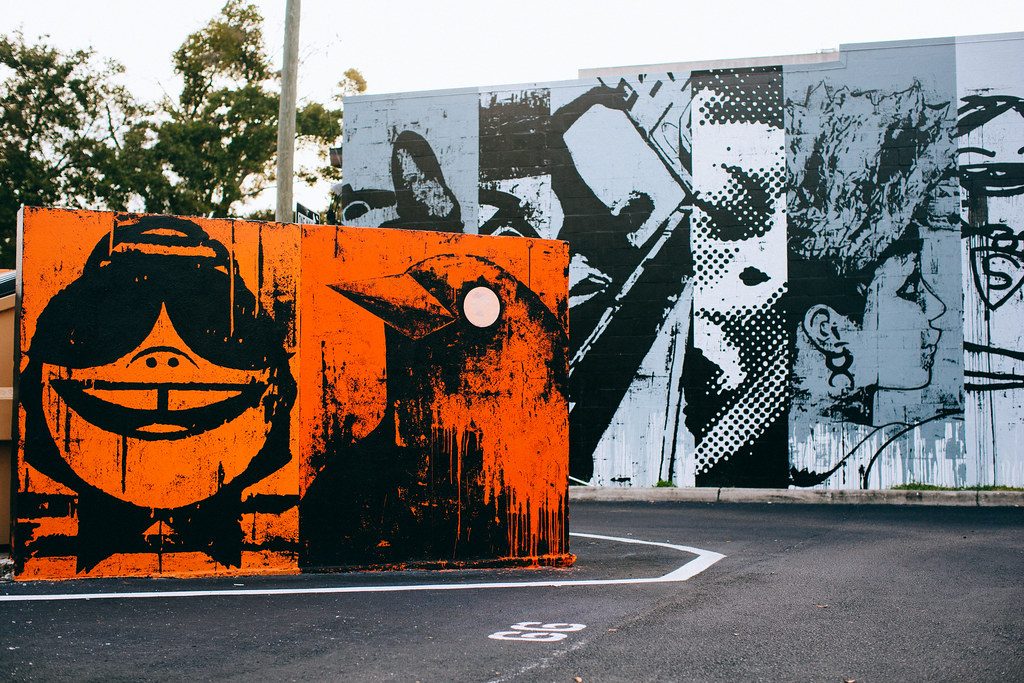
Public art plays a vital role in shaping the cultural landscape of St. Petersburg, Florida. It serves not only as a means of aesthetic enhancement but also as a catalyst for community engagement and dialogue. From murals that adorn the sides of buildings to sculptures that dot public parks, these installations reflect the city’s unique identity and history. They invite residents and visitors alike to engage with their surroundings in a meaningful way, fostering a sense of pride and ownership in the community.
Moreover, public art can transform ordinary spaces into extraordinary experiences. A vibrant mural can turn a neglected alleyway into a lively gathering spot, while a thought-provoking sculpture can spark conversations about social issues. In St. Pete, public art has become a canvas for local artists to express their creativity and share their stories, making art accessible to everyone, regardless of socioeconomic status. This accessibility is crucial in a city that values inclusivity and diversity, allowing all voices to be heard and celebrated.
While public art can unite communities, it can also stir controversy. In St. Petersburg, several installations have sparked debates over artistic expression versus community standards. One notable example is the mural “The Girl with the Umbrella,” which depicts a young girl holding an umbrella against a backdrop of vibrant colors. While many praised its beauty and creativity, others criticized it for its perceived political undertones, arguing that public spaces should remain neutral.
Another contentious installation was the sculpture “The Kissing Sailor,” which commemorates the iconic photograph taken at the end of World War
Community reactions to public art in St. Petersburg are as diverse as the city itself. Many residents express enthusiasm for new installations, viewing them as opportunities for cultural enrichment and community bonding. Local artist projects often involve community input, allowing residents to contribute ideas and feedback, which fosters a sense of ownership over the artwork. Events like mural festivals draw crowds eager to celebrate creativity and connect with their neighbors.
However, not all reactions are positive. Some residents voice concerns about specific installations, questioning their relevance or appropriateness in certain neighborhoods. For instance, when a controversial mural was unveiled in a historically significant area, some community members felt it clashed with the neighborhood’s character. These differing perspectives underscore the importance of dialogue in the public art process; understanding community sentiments can lead to more thoughtful and inclusive artistic expressions.
The government plays a crucial role in facilitating public art initiatives in St. Petersburg. Through programs like the Public Art Commission, city officials work to promote and fund artistic projects that enhance public spaces. This collaboration between artists and local government helps ensure that public art aligns with community values while also addressing practical considerations such as maintenance and safety.
Additionally, government support can provide essential funding for public art projects, enabling artists to bring their visions to life without financial constraints. Grants and partnerships with local organizations can help sustain these initiatives over time, ensuring that public art remains a vibrant part of St. Pete’s cultural fabric. However, this relationship also raises questions about censorship and artistic freedom; how much influence should government entities have over artistic expression? Striking a balance between support and autonomy is vital for fostering a thriving public art scene.
Public art is not just an aesthetic enhancement; it also has significant economic implications for St. Petersburg. Studies have shown that vibrant public art can attract tourists, boost local businesses, and increase property values. Murals and sculptures often become landmarks that draw visitors from outside the area, contributing to the local economy through increased foot traffic in shops and restaurants.
Moreover, public art can enhance community pride, leading residents to invest more in their neighborhoods. When people feel connected to their surroundings through art, they are more likely to support local businesses and participate in community events. This symbiotic relationship between public art and economic vitality underscores the importance of continued investment in artistic initiatives as a means of fostering both cultural enrichment and economic growth.
In the ongoing discussion about public art and its impact on community identity in St. Petersburg, it’s interesting to consider how various forms of expression can influence not only cultural perceptions but also physical well-being. A related article that explores the physiological benefits of engaging in activities like rock climbing highlights the importance of physical engagement in public spaces. You can read more about this fascinating connection in the article on physiological responses to rock climbing in young climbers, which can be found here: Physiological Responses to Rock Climbing in Young Climbers.
The Debate Over Funding for Public Art
Funding for public art remains a contentious issue in St. Petersburg, as city officials grapple with budget constraints and competing priorities. Advocates argue that investing in public art is essential for enhancing quality of life and promoting cultural tourism, while critics often question whether such expenditures are justified amid pressing social needs like housing and education.
In recent years, discussions around funding have led to proposals for dedicated public art budgets or increased allocations from existing city funds. Some community members advocate for private partnerships or crowdfunding initiatives to supplement government support, emphasizing that diverse funding sources can help sustain artistic projects without burdening taxpayers. As these debates continue, finding common ground will be crucial for ensuring that public art remains a priority in St. Pete’s future.
Public art serves as a reflection of St. Petersburg’s cultural identity, capturing the essence of its diverse communities and rich history. From murals celebrating local heritage to sculptures honoring influential figures, these installations tell stories that resonate with residents and visitors alike. They provide a visual narrative that connects people to their past while inspiring future generations.
Moreover, public art can serve as a platform for underrepresented voices within the community. Artists from various backgrounds use their work to address social issues, celebrate cultural traditions, and challenge stereotypes. This inclusivity enriches the city’s cultural tapestry, fostering understanding and empathy among residents from different walks of life. As St. Pete continues to grow and evolve, its public art will undoubtedly play a pivotal role in shaping its cultural identity.
Looking ahead, the future of public art in St. Petersburg appears promising yet complex. As the city continues to develop, there will be ongoing discussions about how best to integrate new artistic projects into existing neighborhoods while respecting their unique character. Engaging community members in these conversations will be essential for ensuring that public art reflects the diverse voices within St. Pete.
Additionally, advancements in technology may open new avenues for artistic expression in public spaces. Interactive installations or digital projections could enhance engagement with audiences while providing fresh perspectives on familiar locations. As artists experiment with innovative mediums, the potential for public art to evolve alongside the community is limitless.
Ultimately, the future of public art in St. Petersburg will depend on collaboration among artists, government officials, and residents alike. By prioritizing inclusivity and open dialogue, St. Pete can continue to cultivate a vibrant public art scene that enriches its cultural landscape for generations to come.

Leave a Reply