
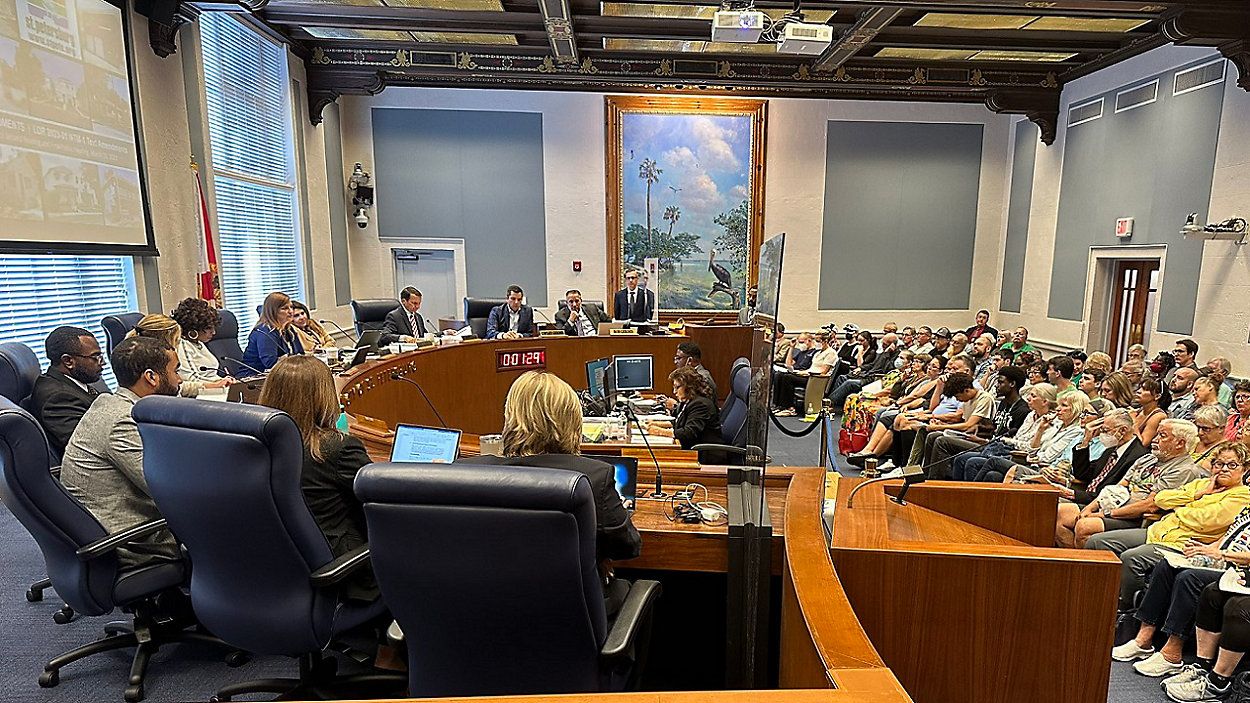
The St. Petersburg City Council is facing increased scrutiny regarding its spending practices, transparency in decision-making, and the impact on public trust. Recent reports and community discussions have brought these issues to the forefront, prompting a closer look at how taxpayer dollars are allocated and how effectively residents are informed and involved.
Questions have arisen about the allocation and oversight of funds by the St. Petersburg City Council. While the council is responsible for approving the city’s budget and overseeing its expenditures, some residents and watchdog groups have raised concerns about the lack of detailed reporting and potential for inefficient spending.
Budgetary Allocations and Priorities
The annual city budget is a complex document, outlining how millions of dollars are distributed across various departments and initiatives. Council members are tasked with reviewing and approving these allocations, a process that involves balancing competing needs and demands from different sectors of the community. However, the sheer volume and technical nature of the budget can make it challenging for the average resident to fully understand the nuances of these decisions.
Fiscal Year 2023-2024 Budget Highlights
The recently approved fiscal year budget for St. Petersburg saw significant allocations for public safety, infrastructure improvements, and parks and recreation. For example, the police department received an increase in its funding, intended to support community policing initiatives and recruit new officers. Infrastructure projects, such as road repairs and upgrades to the city’s water and sewer systems, also received substantial investment, reflecting ongoing efforts to address aging systems and improve service delivery. Parks and recreation initiatives, including the development of new green spaces and enhancements to existing facilities, aimed to improve the quality of life for residents.
- Source: St. Petersburg City Budget, Fiscal Year 2023-2024. [Link to City Budget Document or relevant page]
Resident Perspectives on Spending Priorities
Some residents have voiced concerns that certain spending priorities do not adequately reflect the most pressing needs of the community. For instance, while infrastructure projects are vital, some argue that more resources should be directed towards affordable housing initiatives or programs supporting local small businesses struggling with economic challenges.
“We see a lot of money going into big projects downtown, which is great,” said Maria Rodriguez, a resident of the Grand Central District, at a recent community forum. “But I’m worried about the folks in my neighborhood who can barely afford their rent. Are we prioritizing people or just buildings?”
Oversight and Accountability Mechanisms
The council has established various mechanisms for oversight and accountability concerning city spending, including regular budget workshops, committee meetings, and public hearings. However, critics argue that these processes are not always sufficiently robust or accessible to the public.
Role of the City Auditor
The City Auditor’s office plays a crucial role in independently reviewing the city’s financial operations and performance. The auditor conducts audits of various city departments and programs, identifying areas of potential waste, fraud, or abuse. Their reports are made public and are intended to inform council members and residents about the effectiveness of city management.
- Evidence: Recent audit reports from the St. Petersburg City Auditor’s office can typically be found on the city’s official website. [Link to City Auditor’s page]
Challenges in Tracking Specific Expenditures
One of the challenges in scrutinizing council spending lies in the granular level of detail required to track every allocation. While major budget items are readily available, understanding the precise flow of funds for smaller contracts or specific program expenditures can be a complex undertaking for non-technical audiences. This complexity can inadvertently shield less scrutinized spending from public view.
The ongoing scrutiny of the St. Petersburg council regarding spending, transparency, and public trust is reminiscent of the recent developments surrounding the controversial Tierra Verde marina redevelopment project. This project, which was narrowly approved after a heated debate, has raised similar concerns among residents about the decision-making processes and the implications for community trust. For more details on this contentious issue, you can read the full article here: Controversial Tierra Verde Marina Redevelopment Narrowly Approved After Heated Debate.
Transparency in Decision-Making Processes
The perceived lack of transparency in the City Council’s decision-making processes is another significant area of concern for many St. Petersburg residents. This encompasses how information is shared, how opportunities for public input are provided, and how council members arrive at their conclusions.
Public Access to Information
The Sunshine Law in Florida mandates that most government meetings and records be open to the public. St. Petersburg adheres to these laws, making meeting agendas, minutes, and many public records accessible. However, the accessibility and user-friendliness of these platforms are often debated.
Online Portals and Real-Time Updates
The city’s official website provides access to a wealth of information, including council meeting schedules, agendas, and minutes. Many meetings are also live-streamed and archived, allowing residents to watch proceedings remotely. However, the efficacy of these online tools can be hampered by outdated information, technical glitches, or an overwhelming volume of data that requires significant effort to navigate.
- Example: St. Petersburg City Council Meeting Agendas and Minutes portal. [Link to City Council Meeting portal]
Challenges with Public Comment Periods
Public comment periods at council meetings are designed to provide residents with a direct channel to voice their opinions. Yet, many residents find these sessions to be rushed, limited in allotted speaking time, or simply an ineffective forum for influencing decisions that have already been largely determined behind closed doors.
“I’ve gone to meetings to speak about issues I care about, only to feel like I’m talking to a wall,” shared David Chen, a small business owner in Midtown. “They listen, but it doesn’t feel like our feedback genuinely shapes the outcome.”
Influence of Special Interests and Lobbying
Concerns are also raised about the potential influence of special interests and lobbyists on council decisions. While lobbying is a legitimate part of the political process, questions arise about the fairness of access and the extent to which the voices of everyday residents are amplified or overshadowed.
Disclosure of Lobbyist Activity
St. Petersburg has regulations in place requiring lobbyists to register and disclose their activities. These records are generally public, providing insight into who is advocating for particular interests before the council. However, the granularity of these disclosures and the ease with which the public can access and understand them remain points of discussion.
- Reference: St. Petersburg Lobbyist Registration and Disclosure information. [Link to Lobbyist registration page]
Perceived Imbalances in Advocacy
Some community advocates feel that well-funded organizations and developers have a disproportionate influence compared to grassroots organizations or individual citizens. This perception can lead to a sense of disempowerment among residents who feel their concerns are not being adequately represented.
Impact on Public Trust and Citizen Engagement
The cumulative effect of concerns about spending and transparency can significantly erode public trust in the City Council and, by extension, in local government. When residents feel that their tax dollars are not being managed responsibly or that their voices are not being heard, their willingness to engage in civic processes diminishes.
Voter Turnout and Civic Participation
Historically, local elections often suffer from lower voter turnout compared to state or national elections. This can be exacerbated if citizens feel disillusioned with the political process or believe their vote has little impact. A lack of trust can be a significant barrier to increased civic participation.
Factors Influencing Engagement
Beyond transparency and spending, other factors influence citizen engagement. These include the perceived effectiveness of local government in addressing daily concerns such as public safety, traffic, and quality of life. When these fundamental services are perceived as faltering, trust in the council can also decline.
Community Organizations and Advocacy Groups
Numerous community organizations and advocacy groups in St. Petersburg work tirelessly to represent the interests of various constituencies. Their efforts to monitor council activities, inform residents, and advocate for specific policies are crucial for maintaining a healthy democracy. However, their effectiveness is often tied to their ability to access information, engage with council members, and mobilize public opinion.
Collaborative Efforts and Challenges
These groups often face challenges in coordinating their efforts and in achieving consensus on complex issues. Furthermore, their ability to influence council decisions can be impacted by the council’s responsiveness and willingness to engage in genuine dialogue.
Council’s Response and Future Directions
In response to growing concerns, the St. Petersburg City Council has indicated a commitment to addressing issues of spending accountability and transparency. These efforts are often framed as ongoing processes rather than immediate fixes.
Initiatives for Improved Financial Oversight
The council has periodically reviewed its budgetary processes and explored ways to enhance oversight. This can include recommendations from internal audit reports or suggestions from community stakeholders.
Exploring Best Practices in Municipal Finance
Various cities across the country are continuously innovating in how they manage public funds and engage citizens in their financial decision-making. St. Petersburg could potentially benefit from studying and adapting these successful models. For instance, some cities have implemented participatory budgeting initiatives, allowing residents to directly decide how a portion of the municipal budget is spent.
- Potential Area of Research: “Participatory Budgeting in U.S. Cities” reports. [Link to a relevant research or policy report]
Efforts to Enhance Transparency and Public Access
The council has also acknowledged the need to improve public access to information and increase the effectiveness of public participation. This can involve upgrading online platforms, refining public comment procedures, or actively seeking broader input on key policy decisions.
Council Members’ Stated Commitments
Individual council members often express their commitment to serving their constituents and to operating with integrity. However, translating these individual commitments into tangible improvements in the council’s collective practices requires sustained effort and clear action.
“We are constantly striving to be more open and responsive,” stated a council spokesperson in response to recent inquiries. “We welcome constructive feedback from the community and are committed to making St. Petersburg a city where all voices are heard and where public funds are managed responsibly.”
The Role of Independent Review and Media Scrutiny
Independent reviews, such as those conducted by the City Auditor, and the scrutiny provided by local news media are vital for holding the council accountable. The media plays a crucial role in informing the public about council activities, highlighting concerns, and facilitating informed debate.
The Public Record as a Tool for Accountability
The public record, including meeting minutes, financial disclosures, and official statements, serves as a critical tool for citizens and journalists to hold elected officials accountable. A commitment to thorough record-keeping and easy access to these documents is fundamental to a transparent government.
The recent discussions surrounding the St. Petersburg council’s spending and transparency issues have raised significant concerns among residents about public trust in local governance. In light of these developments, it is worth examining the implications of ongoing projects in the area, such as the Skyway Marina apartment project, which has recently been cleared to move forward after an appeal was denied. For more details on this project and its potential impact on the community, you can read the full article here: Skyway Marina apartment project.
Looking Ahead: Rebuilding and Maintaining Public Trust
Rebuilding and maintaining public trust is an ongoing endeavor that requires consistent effort, open communication, and demonstrable improvements in governance. For the St. Petersburg City Council, this means building on existing efforts and embracing new approaches to ensure that spending is prudent, decision-making is transparent, and residents feel genuinely involved.
The Direct Impact on Residents and Taxpayers
When residents have confidence in their local government, they are more likely to pay their taxes willingly, participate in community initiatives, and support local development. Conversely, a persistent distrust can lead to apathy, disinvestment, and a weakened social fabric. The stakes are high for every resident who calls St. Petersburg home.
Families and Small Businesses
Families depend on the council for essential services like safe streets, well-maintained parks, and reliable public utilities. Small businesses, the backbone of the local economy, need a predictable and supportive environment, which includes confidence in the fair allocation of taxpayer resources and a transparent regulatory process.
The Path Forward: Actionable Steps
The path forward involves concrete actions that address the concerns raised. This could include:
- Enhanced Budgetary Transparency: Developing more user-friendly tools and reports that clearly explain budget allocations and expenditures to the public. This might involve visual aids, simplified language, and interactive online dashboards.
- Strengthened Oversight: Implementing more robust auditing procedures for all city contracts and expenditures, with a particular focus on identifying potential inefficiencies or waste. Regular public reporting on audit findings and corrective actions taken would be crucial.
- Expanded Public Engagement: Creating more accessible and effective avenues for public input beyond traditional council meetings. This could include town hall-style meetings in various neighborhoods, neighborhood-specific advisory boards, and utilizing digital platforms for feedback on policy proposals.
- Clearer Communication Channels: Proactively communicating council decisions and the rationale behind them, ensuring that information is disseminated in a timely and understandable manner through multiple channels, not just on the city’s website.
- Ethics and Accountability Review: Periodically reviewing and updating ethics policies and conflict-of-interest regulations to ensure the highest standards of conduct among council members and city officials.
The St. Petersburg City Council has a significant opportunity to reaffirm its commitment to the people it serves. By embracing a culture of greater transparency, prioritizing responsible spending, and actively engaging with the community, the council can work towards rebuilding and strengthening public trust, ensuring a more vibrant and responsive St. Petersburg for all.

Leave a Reply