
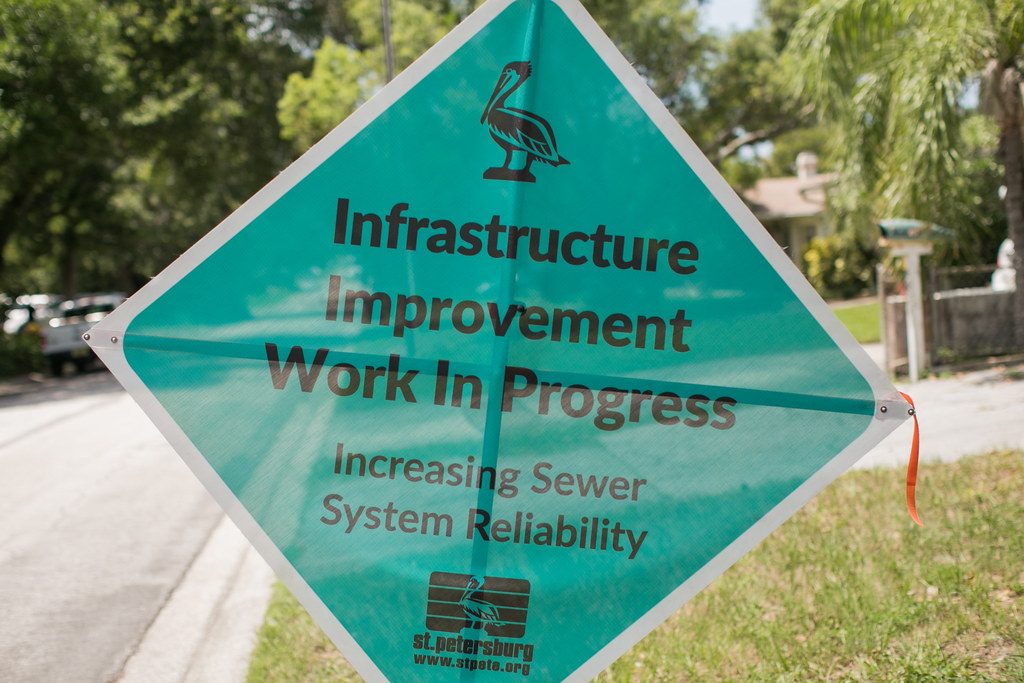
In many communities, aging water and sewer systems pose significant challenges to public health and safety. Across the country, pipes that were installed decades ago are reaching the end of their useful lives, leading to leaks, contamination, and costly repairs. In cities like Flint, Michigan, the consequences of neglecting these systems have been starkly illustrated. Residents faced a public health crisis when lead leached into the drinking water due to corroded pipes. This situation serves as a cautionary tale for other municipalities grappling with similar infrastructure issues.
Local governments are now prioritizing the replacement and repair of these aging systems, recognizing that clean water is essential for community well-being. Many cities are investing in modern technologies to monitor water quality and detect leaks early. For instance, smart sensors can provide real-time data on water pressure and quality, allowing for quicker responses to potential problems. However, funding remains a significant hurdle. Many municipalities rely on federal grants or state assistance to finance these upgrades, which can be a lengthy and competitive process. As residents advocate for better infrastructure, the need for transparency in how funds are allocated becomes increasingly important.
In exploring the various challenges faced by urban areas, a related article titled “A Full Irish Breakfast in Manhattan” highlights the importance of addressing underlying infrastructure issues that can affect a city’s vibrancy and livability. Just as St. Petersburg grapples with its hidden infrastructure problems, the article emphasizes how cities must prioritize their foundational systems to support cultural and culinary experiences that attract residents and tourists alike. For more insights, you can read the article here: A Full Irish Breakfast in Manhattan.
Overloaded Stormwater Management
As climate change intensifies weather patterns, overloaded stormwater management systems are becoming a pressing concern for many urban areas. Heavy rainfall can overwhelm drainage systems, leading to flooding that damages homes, businesses, and public infrastructure. In cities like New Orleans, where heavy rains are common, the consequences of inadequate stormwater management can be devastating. Flooding not only disrupts daily life but also poses risks to public safety and health.
To address these challenges, local governments are exploring innovative solutions such as green infrastructure. This approach includes creating permeable surfaces, rain gardens, and green roofs that absorb rainwater and reduce runoff. By investing in these sustainable practices, cities can mitigate flooding while enhancing urban green spaces. Community involvement is crucial in these initiatives; residents can participate in planting trees or maintaining rain gardens, fostering a sense of ownership and responsibility for local environments. However, funding for these projects often competes with other pressing needs, making it essential for community leaders to advocate for comprehensive stormwater management plans that prioritize both immediate and long-term solutions.
Outdated Transportation Infrastructure

Transportation infrastructure is the backbone of any community, facilitating the movement of people and goods. However, many cities are grappling with outdated roads, bridges, and public transit systems that struggle to meet current demands. In places like Los Angeles, traffic congestion has become a daily frustration for commuters, while crumbling bridges pose safety risks. The American Society of Civil Engineers has consistently rated U.S. infrastructure poorly, highlighting the urgent need for investment.
Local governments are beginning to take action by developing comprehensive transportation plans that prioritize modernization and sustainability. This includes not only repairing existing roads but also expanding public transit options to reduce reliance on personal vehicles. Cities like Seattle have invested in light rail systems that connect neighborhoods and reduce traffic congestion. However, these projects require significant funding and long-term planning. Community engagement is vital; residents must have a voice in transportation decisions that affect their daily lives. By advocating for improved infrastructure, citizens can help shape a transportation system that meets the needs of all residents.
Decaying Public Buildings and Facilities

Public buildings and facilities are essential for community services, yet many are showing signs of decay due to years of underfunding and neglect. Schools, libraries, and community centers often struggle with outdated facilities that do not meet the needs of residents. In some cases, these buildings lack basic amenities such as adequate heating or cooling systems, making them uncomfortable or even unsafe for use.
Local governments are recognizing the importance of investing in public facilities to enhance community well-being. Renovations can provide safer environments for children in schools and create welcoming spaces for community gatherings. For example, a recent initiative in Chicago aimed to renovate several public libraries to include modern technology and comfortable study areas. However, funding remains a challenge; many municipalities must balance budgets while addressing urgent facility needs. Engaging the community in discussions about facility improvements can help prioritize projects that reflect residents’ needs and aspirations.
In light of the ongoing discussions about the infrastructure challenges facing St. Petersburg, it is interesting to consider how these issues intersect with the city’s overall development and community well-being. A related article highlights the importance of local sports figures in advocating for community improvements, showcasing how athletes like Matt Forte can inspire positive change. For more insights on this topic, you can read the article here.
Inadequate Power and Energy Grids
As energy demands increase and climate change impacts become more pronounced, inadequate power and energy grids are emerging as critical issues for many communities. Aging electrical infrastructure can lead to frequent outages and inefficiencies that disrupt daily life and economic activity. In California, wildfires have exposed vulnerabilities in the power grid, prompting calls for modernization to ensure reliability and safety.
Local governments are exploring renewable energy sources as part of their efforts to create more resilient energy systems. Solar panels, wind turbines, and energy storage solutions are being integrated into community planning to reduce reliance on fossil fuels and enhance sustainability. For instance, cities like San Diego have set ambitious goals for transitioning to 100% renewable energy by 2035. However, achieving these goals requires significant investment in infrastructure upgrades and community education about energy conservation practices. Residents play a crucial role in advocating for cleaner energy solutions that benefit both the environment and their wallets.
In light of the ongoing discussions about infrastructure challenges in St. Petersburg, it is essential to consider the broader implications of these issues on the community’s well-being. A related article highlights the unique culinary innovations emerging in the area, showcasing how local businesses are adapting to these challenges while still providing delightful experiences for residents and visitors alike. For instance, the article discusses a creative dessert that combines flavors in unexpected ways, which can be seen as a metaphor for the city’s resilience in the face of infrastructure problems. You can read more about this delightful creation in the article about the salty peanut pretzel ice cream cake.
Insufficient Telecommunications Infrastructure
In an increasingly digital world, insufficient telecommunications infrastructure can leave communities at a disadvantage. Many rural areas struggle with limited access to high-speed internet, hindering educational opportunities and economic growth. The COVID-19 pandemic highlighted these disparities as remote work and online learning became essential for many families.
Local governments are working to bridge the digital divide by investing in broadband expansion initiatives. Partnerships with private companies can help extend internet access to underserved areas while ensuring affordability for residents. For example, some municipalities have launched programs to provide subsidized internet services to low-income families, recognizing that access to technology is crucial for success in today’s economy. Community engagement is vital; residents must advocate for equitable access to telecommunications services that empower them to thrive in a digital age.
Lack of Affordable Housing
The lack of affordable housing is a pressing issue affecting many communities across the nation. Rising rents and home prices have made it increasingly difficult for families to find suitable housing within their budgets. In cities like San Francisco and New York City, the housing crisis has reached alarming levels, pushing low- and middle-income residents out of their neighborhoods.
Local governments are exploring various strategies to address this crisis by increasing the availability of affordable housing units. This includes zoning reforms that allow for higher-density development and incentives for developers to include affordable units in new projects. Additionally, some cities have implemented rent control measures to protect tenants from sudden price increases. Community involvement is essential in these efforts; residents must advocate for policies that prioritize affordable housing solutions while ensuring that development meets the needs of existing neighborhoods.
Environmental Impact and Sustainability Challenges
As communities grapple with various infrastructure challenges, environmental impact and sustainability remain at the forefront of public discourse. Climate change poses significant risks to local ecosystems and public health, prompting calls for more sustainable practices across all sectors. From reducing carbon emissions to promoting green spaces, local governments are increasingly recognizing their role in fostering environmental stewardship.
Many cities are implementing sustainability initiatives aimed at reducing waste and promoting renewable resources. For example, waste reduction programs encourage recycling and composting while educational campaigns raise awareness about environmental issues among residents. Additionally, urban planning efforts focus on creating walkable neighborhoods that reduce reliance on cars and promote healthier lifestyles. However, achieving sustainability goals requires collaboration among government agencies, businesses, and residents alike. By working together toward common objectives, communities can create a more sustainable future that benefits both people and the planet.
In conclusion, addressing these interconnected infrastructure challenges is vital for building resilient communities that prioritize public health, safety, and sustainability. Local governments must engage residents in meaningful conversations about their needs while advocating for necessary investments at all levels of government. By fostering collaboration among stakeholders and prioritizing transparency in decision-making processes, communities can work toward solutions that enhance quality of life for all residents.

Leave a Reply