
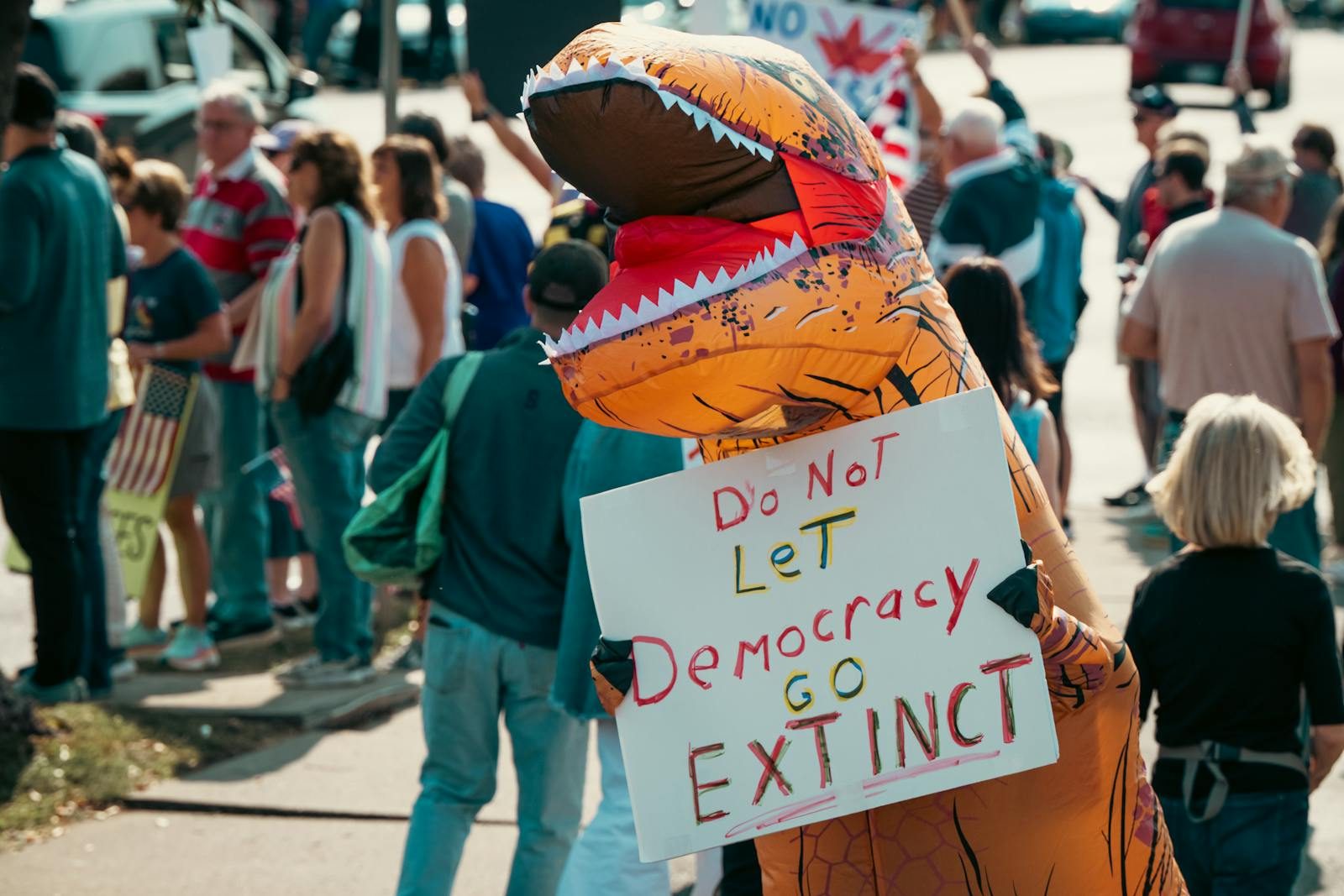
City Hall Buzzes with Growth Debates
St. Petersburg, FL – A spirited debate over the city’s future unfolded Tuesday night at City Hall, as residents, business owners, and community leaders packed council chambers. The discussion, stretching late into the evening, centered on St. Petersburg’s rapid growth, the tax implications that come with it, and the very blueprint for how the city will develop in the years ahead. From rising property values to infrastructure strain, the conversation touched on issues impacting nearly every corner of this vibrant coastal community.
The public comment section of the City Council meeting was a microcosm of St. Petersburg’s diverse population. Homeowners expressed anxiety over climbing property taxes, renters shared fears of displacement, and small business owners highlighted both opportunities and challenges wrought by a booming economy.
Property Taxes: A Hot-Button Issue
“My property taxes went up 15% this year,” stated Sarah Jenkins, a lifelong resident of the Greater Woodlawn neighborhood, her voice echoing with frustration. “I’m on a fixed income. How am I supposed to afford to stay in the home I’ve lived in for 40 years?” Jenkins’ sentiment was echoed by several other speakers, painting a picture of residents grappling with the financial realities of a desirable, growing city.
The Pinellas County Property Appraiser’s office reported a 10.7% increase in total taxable value for St. Petersburg for the 2023 tax roll, the largest increase in over a decade. [Link: Pinellas County Property Appraiser 2023 Tax Roll Report – specific page if available]. While this growth indicates a healthy real estate market, it also translates to higher tax bills for many homeowners. City Council members acknowledged these concerns, with Council Member Gina Driscoll noting, “We hear you. We understand the burden this places on families.”
Affordable Housing Crisis Deepens
The discussion also veered into the critical realm of affordable housing. “My rent just went up $300, and I don’t know if I can stay,” said Maria Rodriguez, a server from the Grand Central District, clutching a printout of her lease renewal. “Where are people like me supposed to live? We work here, we serve this city.”
The Tampa Bay Regional Planning Council’s 2023 Regional Housing Affordability Report [Link: Tampa Bay Regional Planning Council Housing Report, if publicly available] highlights St. Petersburg as a city facing significant housing affordability challenges, with a shrinking supply of rental units at accessible price points. This pressure is amplified by an influx of new residents and luxury developments.
Small Businesses Navigate Change
Local entrepreneurs also stepped up to the microphone. “Growth brings customers, which is great,” said Mark Harrison, owner of a hardware store in the Kenwood neighborhood. “But it also brings higher rents and more competition. We need support to maintain that unique St. Pete charm.” Harrison suggested incentives for long-standing local businesses to help them stay competitive amidst rising operational costs.
Residents of St. Petersburg are increasingly mobilizing to address concerns surrounding growth, taxes, and city planning decisions that impact their community. As they advocate for more sustainable development practices and equitable tax policies, it is essential to consider how these changes can affect the overall well-being of the population. For insights into how physical activities, such as rock climbing, can influence community health and engagement, you may find it interesting to read a related article on physiological responses to rock climbing in young climbers, which can be found here: Physiological Responses to Rock Climbing in Young Climbers.
Debating the City’s Fiscal Health and Future Investments
The City Council meeting wasn’t solely about public grievances; it also featured presentations on the city’s financial outlook and proposed investments, aiming to address the very issues raised by residents.
Understanding the City Budget
City Finance Director Joseph Ruff presented an overview of the upcoming fiscal year’s preliminary budget. He explained how property tax revenues, while increasing, are allocated across essential city services – from police and fire to parks and sanitation. “Every dollar collected from property taxes contributes directly to the quality of life in St. Petersburg,” Ruff stated, pointing to slides detailing infrastructure projects and public safety enhancements. [Link: City of St. Petersburg Budget Document – specific section if available].
He emphasized that while property values are up, the city’s millage rate – the tax rate applied to a property’s assessed value – has remained stable or even slightly decreased in recent years, a claim supported by historical budget documents. “We are committed to fiscal responsibility while ensuring our city can meet the demands of its growing population,” Ruff added.
Residents of St. Petersburg are increasingly coming together to address pressing issues related to growth, taxes, and city planning decisions that impact their community. As they engage in discussions and organize efforts to influence local policies, many are also exploring how these changes affect their daily lives, including their culinary experiences. For those interested in how local culture intertwines with community initiatives, a recent article highlights a unique recipe that showcases the flavors of the region, demonstrating how food can reflect the evolving identity of St. Petersburg. You can read more about this culinary perspective in the article about making creamed corn into a meal by adding shrimp here.
Prioritizing Infrastructure and Public Services
Council discussions focused heavily on how increased revenue could be strategically invested. Several council members advocated for significant funding boosts to transportation infrastructure, particularly improvements to roads, bike lanes, and public transit. “Our roads are feeling the strain,” observed Council Member Deborah Figgs-Sanders. “We need to invest now to prevent further congestion and ensure safe passage for everyone.”
Other proposed investments included expanding park facilities, upgrading stormwater management systems to combat flooding, and increasing funding for social services addressing homelessness and mental health, all areas directly impacting residents’ daily lives.
Charting St. Pete’s Development: The Comprehensive Plan
Central to the night’s agenda was a review of proposed amendments to the city’s Comprehensive Plan, the overarching document that guides all development and land use decisions. This “blueprint for growth” dictates everything from zoning regulations to environmental protections.
Zoning Changes and Neighborhood Impacts
The most contentious part of the comprehensive plan discussion involved proposed changes to certain zoning districts, particularly those near major transportation corridors and activity centers. City Planning Director Derek Kilborn outlined proposals for increased density in specific areas, arguing it would help address housing shortages and promote infill development rather than urban sprawl.
“By strategically increasing density in targeted areas, we can create more housing options closer to jobs and transit, reducing commute times and our carbon footprint,” Kilborn explained, referencing studies on smart growth principles. [Link: City of St. Petersburg Comprehensive Plan document, specific proposed amendment if publicly available].
However, residents living in neighborhoods adjacent to these proposed high-density areas expressed concerns about increased traffic, pressure on local schools, and potential impacts on neighborhood character. “We are proud of our single-family homes and tree-lined streets,” said Emily Chen, representing the Crescent Lake Neighborhood Association. “We don’t want to become just another concrete jungle.” Chen urged the council to consider the human scale of proposed developments and engage more deeply with affected neighborhoods.
Preserving Green Space and Historic Character
Another key element of the comprehensive plan discussion involved preserving St. Petersburg’s natural beauty and historic fabric. Advocates for green spaces called for stronger protections for existing parks and the acquisition of new land for public use. “Our green spaces are the lungs of our city,” stated David Evans from the Friends of Vinoy Park group. “They improve our health, reduce heat island effects, and make St. Pete unique.”
Similarly, representatives from neighborhood preservation societies emphasized the importance of maintaining St. Petersburg’s distinct architectural heritage. “Our historic districts tell the story of our city,” remarked Dr. Alice Graham, a local historian and member of the St. Petersburg Preservation Council. “Thoughtful development can coexist with preservation, but it requires careful planning and a commitment to our past.”
What’s Next? Community Engagement and Council Deliberation
The passionate discussions at Tuesday’s meeting underscore a crucial period for St. Petersburg. The city is at a crossroads, balancing the undeniable pressures of growth with the desire to maintain its unique character and quality of life for all residents.
Ongoing Opportunities for Public Input
City Council members reassured the public that Tuesday’s meeting was just one step in an ongoing process. “Your voices are vital in shaping our city’s future,” Council Chair Brandi Gabbard affirmed. She listed several upcoming opportunities for public input, including:
- Community Workshops: The Department of City Development plans to host a series of neighborhood workshops in the coming weeks to gather targeted feedback on specific comprehensive plan amendments and zoning proposals. Dates and locations will be announced on the city’s website. [Link: City of St. Petersburg Development Department, upcoming events page].
- Online Feedback Portal: Residents can submit written comments and suggestions through an online portal on the city’s official website. This portal will remain open for at least 30 days following the publication of final proposed amendments.
- Future Council Meetings: The Comprehensive Plan amendments and budget proposals will return for further review and potential votes at subsequent City Council meetings, offering additional opportunities for public comment.
The Balancing Act Ahead
The City Council faces the delicate task of integrating diverse perspectives into a cohesive vision for St. Petersburg. Decisions made in the coming months will profoundly impact residents’ wallets, daily commute, access to green spaces, and the very identity of the city. As St. Petersburg continues its evolution, the engagement of its citizens will undoubtedly remain a driving force in shaping its destiny. The full recording of Tuesday’s meeting is available on the City of St. Petersburg’s official YouTube channel. [Link: City of St. Petersburg YouTube channel, specific meeting video if available].

Leave a Reply