
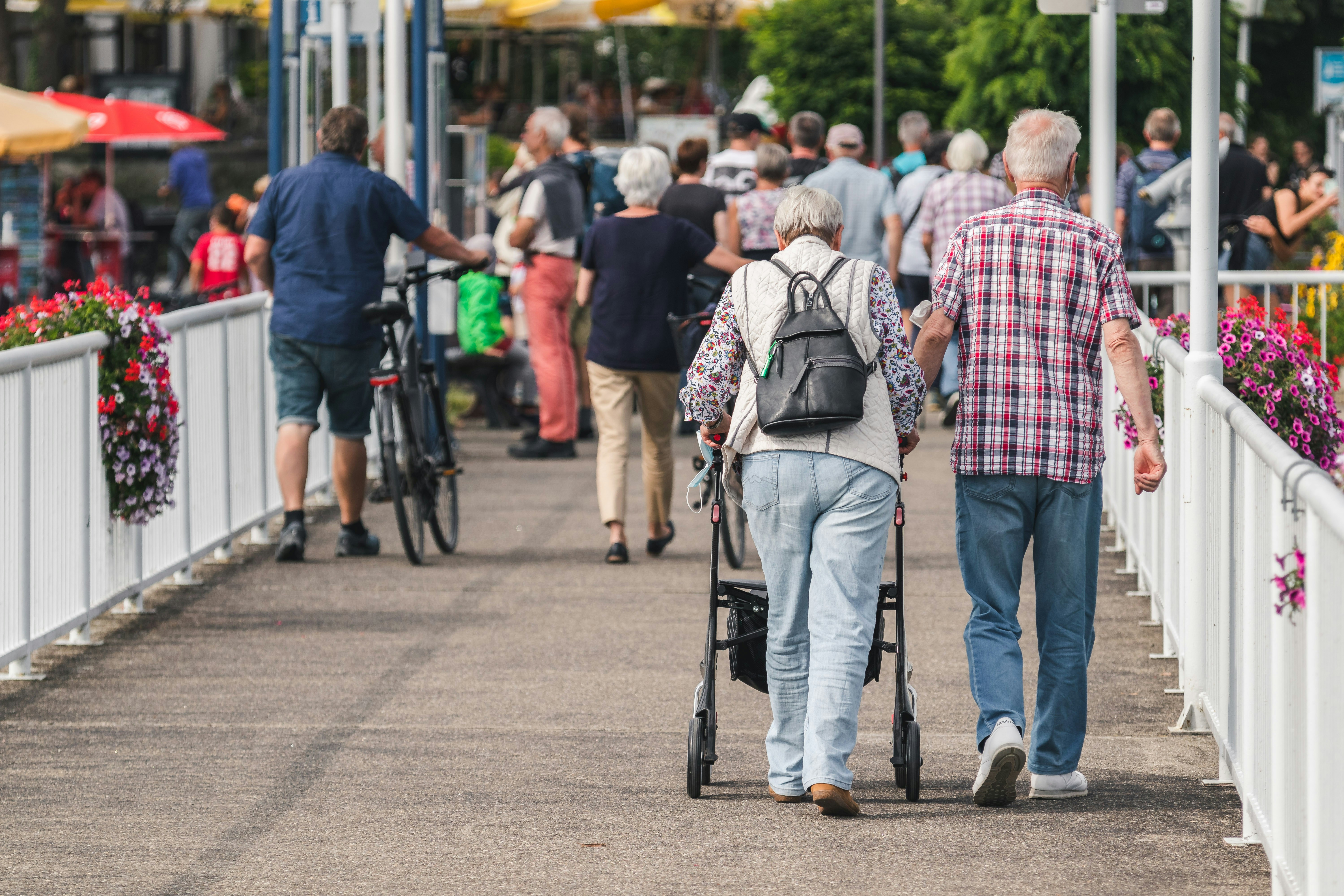
As the population of seniors continues to grow, understanding their unique needs becomes increasingly important. Many older adults prefer to age in place, which means they want to remain in their own homes and communities as they grow older. This desire is often rooted in a wish to maintain independence and familiarity, but it also presents challenges that require thoughtful solutions. Seniors may face physical limitations, cognitive changes, and social isolation, all of which can impact their quality of life.
To effectively support seniors aging in place, communities must recognize the diverse needs of this population. Some may require assistance with daily activities such as cooking, cleaning, or personal care, while others may need help managing chronic health conditions. Additionally, many seniors face emotional challenges, including loneliness and depression, which can be exacerbated by a lack of social interaction. By understanding these needs, local organizations and policymakers can develop targeted programs and services that empower seniors to live fulfilling lives in their own homes.
In exploring ways St. Pete can support seniors aging in place, it’s essential to consider the broader community initiatives that enhance local identity and accessibility. A related article discusses the new district markers that signify the growing identity of the Grand Central District, which can play a crucial role in creating a more inclusive environment for seniors. You can read more about this initiative and its implications for community engagement and support for aging residents in the article here: New District Markers Are a Sign of Grand Central District’s Growing Identity.
Access to Healthcare and Support Services
Access to healthcare is a critical component for seniors who wish to age in place. Many older adults have multiple chronic conditions that require regular medical attention, making it essential for them to have reliable access to healthcare services. This includes not only primary care but also specialized services such as physical therapy, mental health support, and medication management. Unfortunately, barriers such as transportation issues, high costs, and a shortage of geriatric specialists can hinder seniors from receiving the care they need.
Support services play a vital role in complementing healthcare access. Programs that offer in-home care, meal delivery, and companionship can significantly enhance the well-being of seniors. Local agencies and non-profits often provide these services, but awareness and accessibility remain challenges. Community leaders must work to ensure that seniors are informed about available resources and that these services are affordable and easy to access. By improving healthcare access and support services, communities can help seniors maintain their health and independence.
Affordable Housing Options

Affordable housing is a pressing issue for many seniors who wish to age in place. As fixed incomes often limit their financial flexibility, finding suitable housing that meets their needs can be a daunting task. Many seniors live on pensions or Social Security benefits, which may not keep pace with rising housing costs. This situation can lead to difficult choices between paying for housing and affording other essentials like food and healthcare.
Communities must prioritize the development of affordable housing options tailored for seniors. This could include subsidized housing, co-housing arrangements, or modifications to existing homes to make them more accessible. Local governments can incentivize developers to create senior-friendly units by offering tax breaks or grants. Additionally, zoning laws can be adjusted to allow for more diverse housing types that cater to the needs of older adults. By addressing the affordable housing crisis, communities can help ensure that seniors have safe and stable places to call home.
Transportation and Mobility Assistance

Transportation is another critical factor for seniors aging in place. Many older adults may no longer drive due to health concerns or declining vision, which can limit their ability to access essential services such as grocery stores, medical appointments, and social activities. Public transportation systems often do not cater adequately to the needs of seniors, leaving them with few options for mobility.
To address this issue, communities can develop transportation programs specifically designed for seniors. This could include shuttle services that provide door-to-door transportation or partnerships with ride-sharing companies to offer discounted fares for older adults. Additionally, enhancing public transportation routes to include more frequent stops at senior centers and healthcare facilities can improve accessibility. By investing in transportation solutions, communities can help seniors maintain their independence and stay connected to their neighborhoods.
In exploring ways St. Pete can enhance support for seniors aging in place, it’s interesting to consider how community initiatives can extend beyond healthcare to include nutrition and meal preparation. A related article discusses creative ways to transform simple ingredients into nutritious meals, which can be particularly beneficial for seniors looking to maintain a healthy diet while living independently. You can read more about this topic in the article on making creamed corn into a meal by adding shrimp, which highlights the importance of accessible cooking options for older adults. For more details, check out the article here.
Social and Recreational Opportunities
Social engagement is crucial for the mental and emotional well-being of seniors. Isolation can lead to feelings of loneliness and depression, making it essential for communities to provide opportunities for social interaction and recreation. Many seniors enjoy participating in group activities such as exercise classes, arts and crafts, or book clubs, which not only promote physical health but also foster connections with others.
Local community centers and libraries often serve as hubs for senior activities, offering a range of programs tailored to older adults. However, it is important for these programs to be well-publicized and accessible to all seniors, including those with mobility challenges. Additionally, creating intergenerational programs that bring together seniors and younger community members can enrich the lives of both groups while breaking down age-related barriers. By prioritizing social and recreational opportunities, communities can help combat isolation and enhance the quality of life for seniors.
In exploring ways St. Pete can support seniors aging in place, it’s essential to consider various community resources that enhance their quality of life. One such resource is the innovative solutions for managing the heat during the summer months, which can be particularly challenging for older adults. For more insights on this topic, you can read about a cool solution for hot summer nights in St. Pete here. This article highlights practical strategies that can help seniors stay comfortable and safe, ultimately contributing to their ability to live independently at home.
Safety and Security Measures
Safety is a paramount concern for seniors living independently at home. Many older adults worry about crime or accidents that could jeopardize their well-being. Simple modifications such as improved lighting around homes, secure locks on doors and windows, and emergency response systems can significantly enhance safety for seniors.
Communities can also play a role in ensuring the safety of their senior residents by organizing neighborhood watch programs or providing resources on crime prevention strategies tailored for older adults. Additionally, local fire departments can offer home safety assessments to identify potential hazards and recommend modifications that could prevent accidents. By fostering a safe environment for seniors, communities can help them feel secure in their homes while encouraging them to remain active participants in their neighborhoods.
Community Engagement and Inclusion
Community engagement is vital for fostering a sense of belonging among seniors aging in place. When older adults feel included in their neighborhoods, they are more likely to participate in local events and contribute positively to their communities. However, barriers such as mobility issues or lack of awareness about community events can prevent seniors from engaging fully.
To promote inclusion, local organizations should actively seek input from seniors when planning community events or initiatives. Creating advisory boards that include senior representatives can ensure that their voices are heard and their needs are addressed. Additionally, outreach efforts should focus on connecting with isolated seniors who may not be aware of available resources or activities. By prioritizing community engagement and inclusion, neighborhoods can create vibrant environments where seniors feel valued and connected.
Advocacy and Policy Initiatives for Senior Support
Advocacy plays a crucial role in shaping policies that support seniors aging in place. Local leaders must work together with advocacy groups to address the challenges faced by older adults in their communities. This includes pushing for policies that improve access to healthcare, affordable housing, transportation options, and social services tailored for seniors.
Engaging with state and federal representatives is also essential for securing funding and resources necessary for senior support initiatives. Communities should advocate for legislation that addresses the specific needs of older adults while promoting awareness about the importance of aging in place. By fostering a culture of advocacy around senior issues, communities can create lasting change that enhances the lives of their older residents.
In conclusion, supporting seniors aging in place requires a multifaceted approach that addresses their diverse needs across various domains—healthcare access, affordable housing, transportation, social engagement, safety measures, community inclusion, and advocacy efforts. By working collaboratively at the local level, communities can create environments where older adults thrive while maintaining their independence and dignity. As our population continues to age, it is imperative that we prioritize these initiatives to ensure that all seniors have the opportunity to live fulfilling lives within their own homes and neighborhoods.

Leave a Reply