
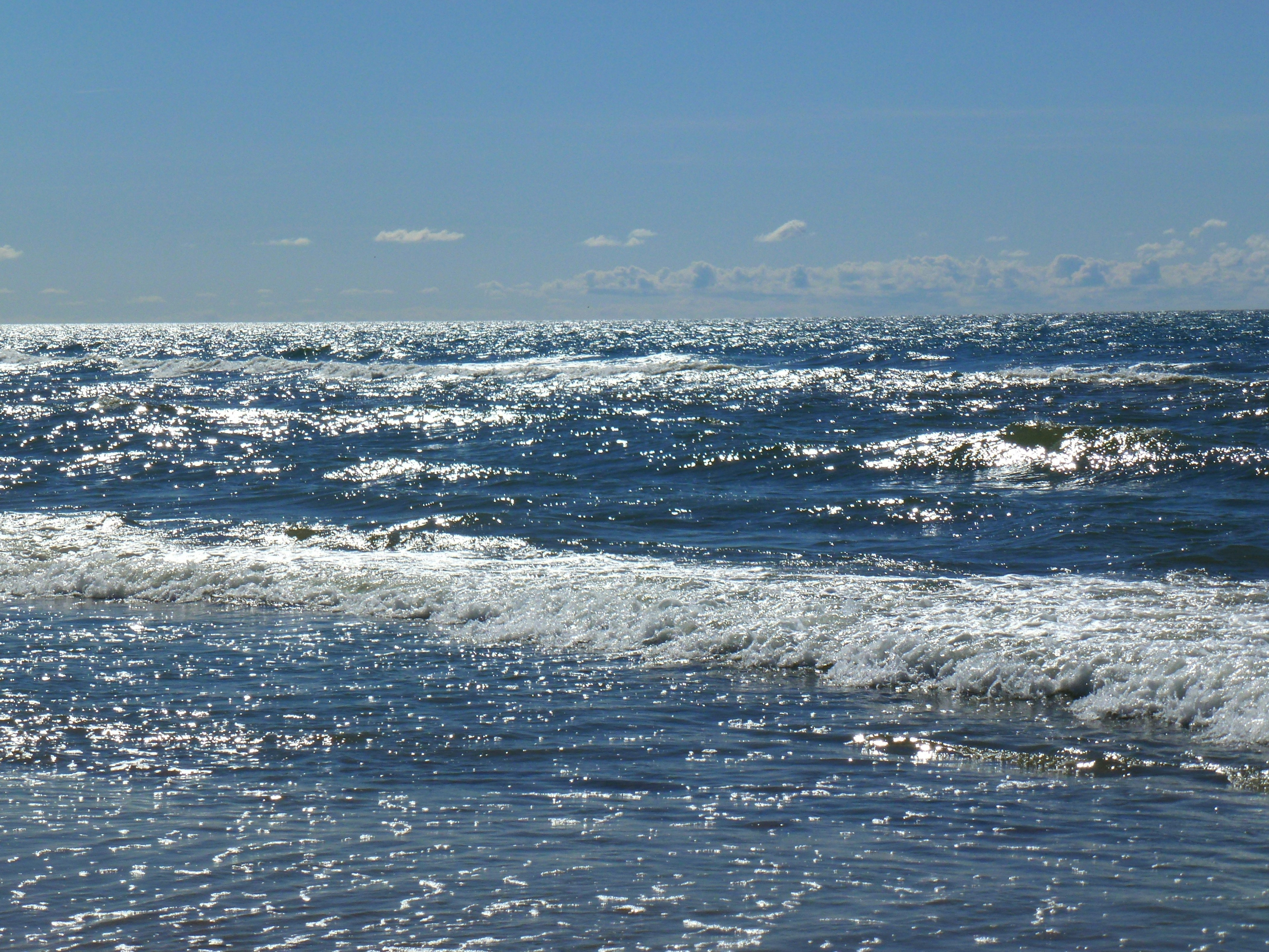
St. Petersburg, Florida, is no stranger to the effects of climate change, particularly the rising sea levels that threaten its coastal infrastructure. As a city situated on the Gulf of Mexico, St. Pete faces unique challenges as water levels continue to rise due to melting ice caps and thermal expansion of seawater. The city’s roads, bridges, and public facilities are increasingly at risk of flooding, especially during high tides and storm surges. According to the National Oceanic and Atmospheric Administration (NOAA), sea levels in the region have risen by approximately 8 inches since 1950, with projections suggesting an increase of up to 2 feet by 2050 if current trends continue.
The implications for St. Pete’s infrastructure are profound. Key transportation routes, such as 1st Avenue North and 4th Street North, are already experiencing regular flooding during heavy rains. This not only disrupts daily commutes but also poses significant risks to emergency services and public safety. Additionally, critical infrastructure like wastewater treatment plants and stormwater systems are under pressure, leading to concerns about public health and environmental contamination. The city must grapple with the reality that without significant investment in upgrades and adaptations, these essential services could become compromised, affecting residents and businesses alike.
In exploring the implications of climate change on urban landscapes, the article “How Sea Level Rise Is Reshaping St Pete’s Long-Term Future” highlights the urgent need for adaptive strategies in coastal cities. A related piece that delves into the cultural and community aspects of St. Petersburg is available at this link: The Best College Football Team You’ve Probably Never Heard Of. This article provides insight into how local sports and community identity can play a role in the resilience of the city amidst environmental challenges.
Strategies for Adapting to Rising Sea Levels in St Pete
In response to the looming threat of rising sea levels, St. Petersburg has begun implementing a range of strategies aimed at bolstering its resilience. One of the most notable initiatives is the city’s comprehensive plan to enhance its stormwater management systems. This includes upgrading existing drainage infrastructure to better handle increased rainfall and flooding events. The city has also invested in green infrastructure projects, such as permeable pavements and rain gardens, which help absorb excess water and reduce runoff.
Moreover, St. Pete is exploring the use of living shorelines as a natural defense against coastal erosion and flooding. These innovative solutions involve restoring coastal habitats with native vegetation, which can help stabilize shorelines while providing essential ecosystems for local wildlife. The city has also engaged in community outreach efforts to educate residents about the importance of these adaptations and encourage participation in local sustainability initiatives. By fostering a culture of resilience, St. Petersburg aims to empower its citizens to take an active role in safeguarding their community against the impacts of climate change.
The Economic Consequences of Sea Level Rise for St Pete

The economic ramifications of sea level rise extend far beyond infrastructure concerns; they also pose significant threats to St. Petersburg’s local economy. As a vibrant hub for tourism, real estate, and small businesses, the city stands to lose millions if rising waters continue to encroach on its coastal areas. Property values in flood-prone neighborhoods may decline as potential buyers become wary of investing in areas at risk of inundation. This could lead to a decrease in tax revenue for the city, impacting funding for essential services such as education, public safety, and infrastructure maintenance.
Additionally, businesses that rely on waterfront access may face operational challenges as flooding becomes more frequent. Restaurants, shops, and recreational facilities along the waterfront could see reduced foot traffic during high tide events or storms, leading to decreased sales and potential layoffs. The tourism industry, which is vital to St. Pete’s economy, may also suffer if visitors perceive the area as vulnerable to climate-related risks. To mitigate these economic consequences, city leaders must prioritize investments in climate resilience and sustainable development that protect both the environment and the local economy.
The Environmental Impact of Rising Sea Levels in St Pete

The environmental consequences of rising sea levels in St. Petersburg are multifaceted and far-reaching. As saltwater intrudes into freshwater ecosystems, local habitats face significant disruption. Wetlands, which serve as critical buffers against storms and provide essential habitats for wildlife, are particularly vulnerable to inundation. The loss of these natural areas not only threatens biodiversity but also diminishes the city’s ability to manage stormwater effectively.
Moreover, rising sea levels can exacerbate pollution issues in coastal waters. As storm surges push seawater into urban areas, contaminants from roads and industrial sites can be washed into the bay, harming marine life and degrading water quality. This poses risks not only to local ecosystems but also to public health, as residents rely on clean water for recreation and consumption. Addressing these environmental challenges requires a concerted effort from both government agencies and community organizations to implement sustainable practices that protect St. Petersburg’s natural resources.
As St. Petersburg grapples with the challenges posed by rising sea levels, the city is also witnessing changes in its local economy and community spaces. A recent article highlights the upcoming opening of Bogey’s Tavern near Largo Central Park, which reflects the ongoing development and adaptation in the area. This new establishment aims to enhance the local dining scene while the city navigates its long-term future in the face of environmental shifts. For more details on this exciting addition, you can read the full story here.
The Role of Government and Community in Addressing Sea Level Rise
Addressing the challenges posed by rising sea levels requires a collaborative approach involving both government action and community engagement. The City of St. Petersburg has taken steps to develop a comprehensive climate action plan that outlines strategies for mitigating the impacts of climate change while promoting sustainability. This plan emphasizes the importance of integrating climate considerations into all aspects of city planning and development.
Community involvement is equally crucial in this effort. Local organizations and residents have been instrumental in advocating for policies that prioritize climate resilience and environmental protection. Initiatives such as community workshops and public forums provide platforms for residents to voice their concerns and contribute ideas for adaptation strategies. By fostering a sense of shared responsibility, St. Petersburg can build a stronger foundation for addressing the challenges posed by rising sea levels.
The Importance of Long-Term Planning for St Pete’s Future
Long-term planning is essential for ensuring that St. Petersburg remains resilient in the face of rising sea levels and other climate-related challenges. City leaders must adopt a proactive approach that anticipates future risks rather than merely reacting to current conditions. This involves investing in research and data collection to better understand how climate change will impact the region over time.
Incorporating climate projections into urban planning decisions can help guide development away from vulnerable areas while promoting sustainable practices in construction and land use. Additionally, long-term planning should prioritize investments in renewable energy sources and energy efficiency measures that reduce greenhouse gas emissions. By taking a forward-thinking approach, St. Petersburg can position itself as a leader in climate resilience while safeguarding its future for generations to come.
The Potential for Innovation and Sustainable Development in St Pete
St. Petersburg has an opportunity to embrace innovation as it confronts the challenges posed by rising sea levels. By investing in sustainable development practices, the city can create a more resilient urban environment that benefits both residents and the local economy. This includes exploring new technologies for energy efficiency, waste management, and water conservation that align with climate goals.
For instance, the city could expand its use of solar energy by incentivizing residential solar panel installations or investing in community solar projects that provide clean energy access to all residents. Additionally, promoting sustainable transportation options such as biking and public transit can help reduce carbon emissions while enhancing mobility throughout the city. By fostering a culture of innovation and sustainability, St. Petersburg can not only adapt to rising sea levels but also thrive in an increasingly uncertain future.
The Social and Cultural Implications of Sea Level Rise for St Pete
The social and cultural implications of rising sea levels extend beyond physical infrastructure; they also touch upon the very fabric of St. Petersburg’s communities. As neighborhoods face increased flooding risks, residents may be forced to relocate or adapt their homes to cope with changing conditions. This displacement can disrupt social networks and erode community ties that have developed over generations.
Moreover, cultural landmarks and historical sites may be at risk due to rising waters, threatening the city’s unique identity and heritage. Efforts to preserve these sites must be prioritized alongside adaptation strategies to ensure that future generations can continue to connect with their history and culture. Engaging residents in discussions about how best to protect their neighborhoods can foster a sense of ownership over local solutions while reinforcing community bonds.
In conclusion, addressing the challenges posed by rising sea levels is critical for St. Petersburg’s future. Through strategic planning, community engagement, and innovative solutions, the city can build resilience against climate change while preserving its vibrant culture and economy. As residents come together to confront these challenges, they have an opportunity not only to protect their homes but also to shape a sustainable future for generations to come.

Leave a Reply