
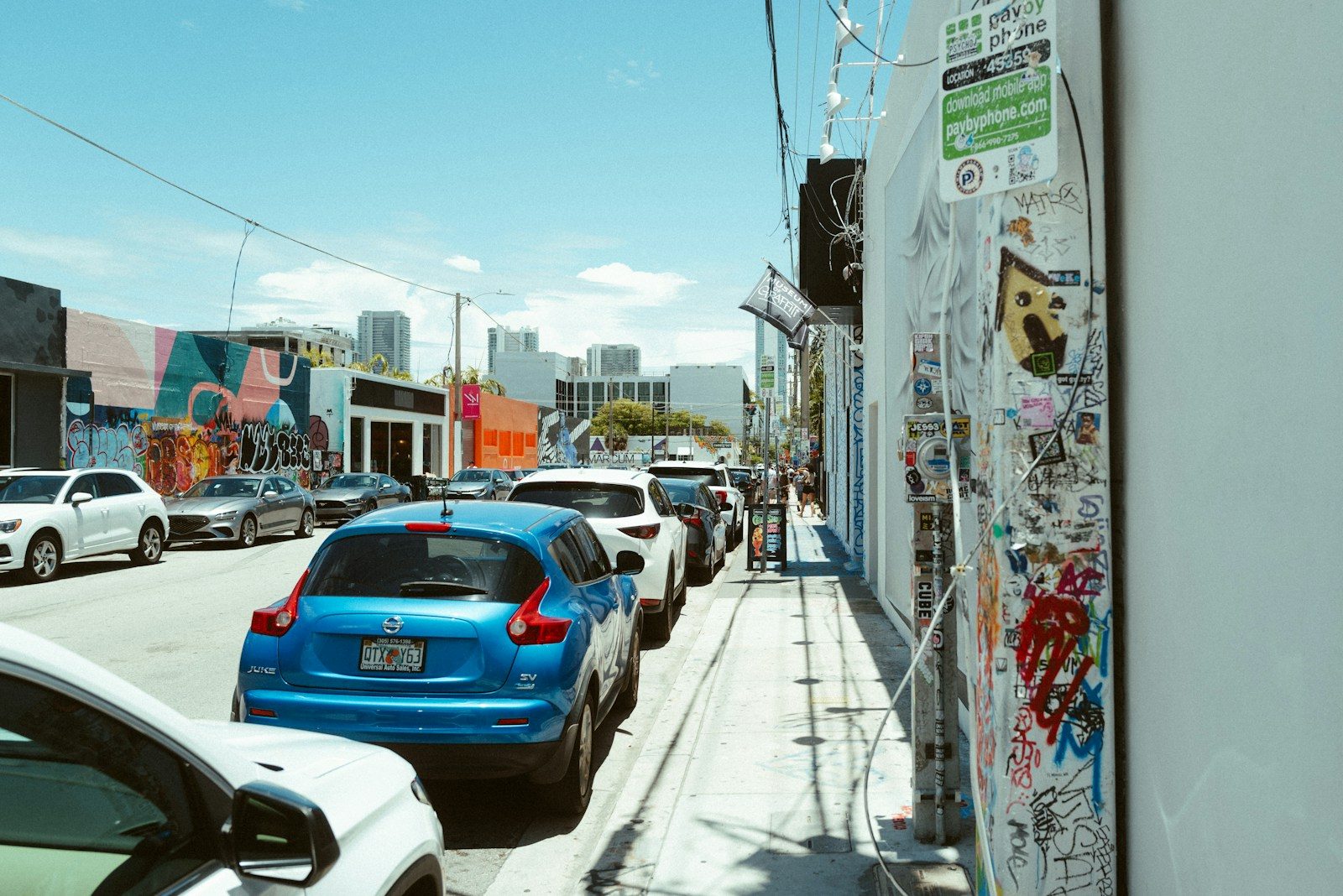
In recent months, a significant development project has been proposed in our community, sparking discussions among residents, local leaders, and stakeholders. This project, which aims to transform a vacant lot into a mixed-use space featuring residential units, retail shops, and green areas, is designed to meet the growing needs of our population while enhancing the vibrancy of the neighborhood. The developers have outlined plans for approximately 200 housing units, a grocery store, and several small businesses, all intended to create a hub for both living and shopping.
As the project moves through the approval process, it is essential for residents to stay informed about its progress and implications. Public meetings have been scheduled to allow community members to voice their opinions and ask questions. The city’s planning department has made documents available online, detailing the project’s scope, timelines, and expected benefits. Engaging with these resources can help residents understand how this development aligns with the city’s long-term growth strategy and what it means for their daily lives.
If you’re concerned about how a local development project might affect your street, you may find it helpful to read the article titled “Understanding Local Development Regulations” available at this link. It provides valuable insights into the regulations governing development projects and how they can influence neighborhood dynamics, helping you better assess potential impacts on your community.
Assessing the potential impact on traffic
One of the most pressing concerns regarding the new development is its potential impact on local traffic patterns. With the addition of hundreds of new residents and increased commercial activity, many residents worry about congestion on already busy streets. Traffic studies conducted by the developers indicate that while there will be an increase in vehicle trips, improvements to nearby intersections and the addition of bike lanes are planned to mitigate these effects. However, some community members remain skeptical about whether these measures will be sufficient.
Local officials have emphasized the importance of addressing traffic concerns early in the planning process. They have proposed a series of public forums where residents can share their experiences with current traffic issues and suggest solutions. By fostering open dialogue, city planners hope to create a comprehensive traffic management plan that accommodates both current residents and newcomers. This proactive approach aims to ensure that the development enhances rather than hinders mobility in the area.
Evaluating the impact on noise levels

Noise pollution is another critical factor that residents are considering as they evaluate the proposed development. The introduction of new residential units and commercial spaces could lead to increased noise from traffic, construction activities, and daily operations of businesses. Developers have committed to implementing sound mitigation strategies, such as sound barriers and landscaping buffers, to minimize disturbances for existing homes nearby.
Community members have expressed concerns about how noise levels might affect their quality of life. Many residents value the tranquility of their neighborhoods and worry that increased activity could disrupt their daily routines. To address these concerns, city officials are working with developers to establish noise regulations that will be enforced during construction and after the project is completed. By setting clear guidelines, they aim to strike a balance between development and maintaining a peaceful living environment.
Considering changes to the local landscape

The proposed development will undoubtedly alter the local landscape, raising questions about aesthetics and environmental impact. Currently, the site is an underutilized lot with limited greenery. The developers plan to incorporate parks and green spaces into their design, which could enhance the area’s visual appeal and provide recreational opportunities for residents. However, some community members are concerned about losing open space and the potential for increased urbanization.
To address these concerns, city planners are emphasizing the importance of sustainable design practices. They are encouraging developers to use native plants in landscaping and implement green building techniques that reduce environmental impact. Additionally, public input sessions will allow residents to share their thoughts on how best to integrate green spaces into the development while preserving the character of the neighborhood. This collaborative approach aims to create a development that respects both nature and community values.
If you’re curious about the evolving landscape of local neighborhoods and how development projects can shape community identity, you might find it interesting to explore the article on the new district markers in the Grand Central District. These markers not only signify growth but also reflect the changing dynamics of the area, which can be crucial for understanding potential impacts on your street. For more insights, check out the article here.
Analyzing potential changes to property values
As with any significant development project, there are questions about how it will affect property values in the surrounding area. Some residents believe that new housing options and commercial amenities could increase demand for homes nearby, potentially driving up property values. Conversely, others worry that an influx of new residents might lead to gentrification, making it difficult for long-time residents to afford their homes.
Real estate experts suggest that the impact on property values will depend on various factors, including market conditions and how well the development integrates with existing neighborhoods. City officials are monitoring these trends closely and have committed to ensuring that affordable housing options remain available as the area develops. By prioritizing inclusivity in housing policies, they hope to mitigate negative impacts on current residents while still fostering growth.
When considering the potential effects of a local development project on your street, it’s important to stay informed about related community topics. For instance, an interesting article discusses how to transform simple ingredients into a delightful meal, which can serve as a reminder of the importance of local resources and community engagement. You can read more about this culinary inspiration in the article on creamed corn and shrimp here: creamed corn into a meal. Understanding these connections can help you appreciate the broader implications of development in your neighborhood.
Examining the impact on local businesses
The proposed development presents both opportunities and challenges for local businesses. On one hand, new retail spaces could attract more foot traffic and customers to the area, benefiting existing shops and restaurants. Business owners are optimistic that increased visibility will lead to higher sales and a more vibrant commercial environment. Local chambers of commerce are actively engaging with developers to ensure that small businesses are included in discussions about retail opportunities.
On the other hand, some business owners express concern about competition from larger retailers that may move into the new development. They worry that established shops could struggle to compete with chain stores offering lower prices or more extensive selections. To address these concerns, city officials are exploring ways to support small businesses through grants or incentives that encourage local entrepreneurship within the new development.
Understanding potential changes to public services
As the community prepares for an influx of new residents and businesses, it is crucial to consider how public services will adapt to meet increased demand. Schools, public transportation, emergency services, and waste management are all areas that may require additional resources or adjustments in response to population growth. City officials are conducting assessments to determine what changes may be necessary to ensure that public services remain effective and accessible.
For instance, local schools may need to expand capacity or hire additional staff to accommodate more students. Similarly, public transportation routes may need adjustments to better serve new residential areas. Engaging with community members during this planning process is vital; public forums will allow residents to voice their concerns and suggestions regarding public services as they relate to the development.
Assessing the impact on community engagement and quality of life
Ultimately, the success of this development project will hinge on its ability to enhance community engagement and improve quality of life for all residents. As plans progress, it is essential for developers and city officials to prioritize transparency and inclusivity in their decision-making processes. By actively involving community members in discussions about design elements, amenities, and services, they can foster a sense of ownership among residents.
Moreover, creating spaces for social interaction—such as parks, community centers, and gathering areas—can help strengthen neighborhood ties and promote a sense of belonging among both new and existing residents. As this project unfolds, it will be crucial for all stakeholders to remain committed to building a community that reflects shared values while embracing growth and change. By focusing on collaboration and open communication, we can work together to ensure that this development serves as a positive addition to our neighborhood for years to come.

Leave a Reply