
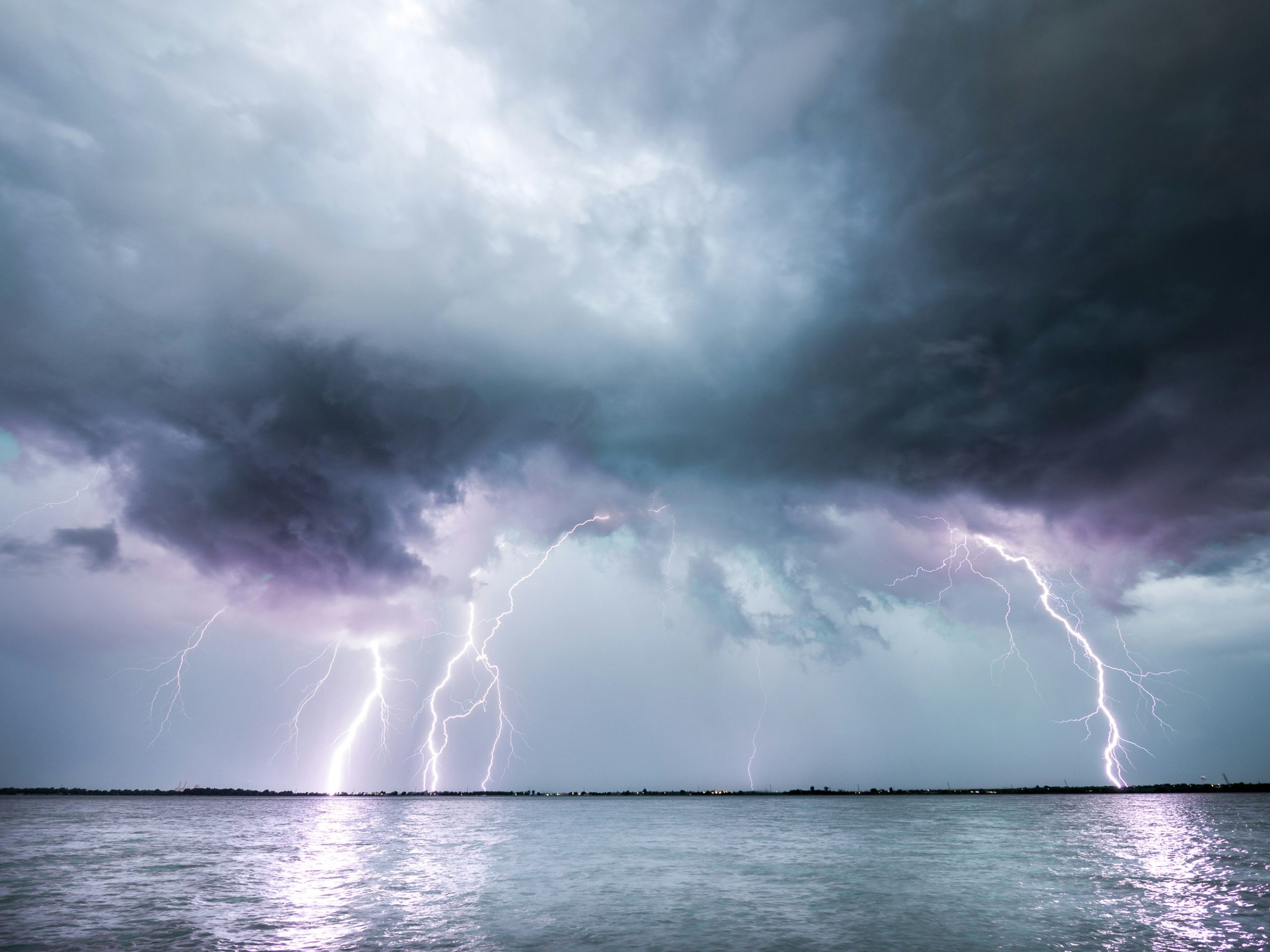
Storms come in various forms, each with unique characteristics and potential impacts. Understanding these differences is crucial for effective preparation and response. The most common types of storms include thunderstorms, hurricanes, tornadoes, and winter storms. Thunderstorms, often characterized by heavy rain, lightning, and strong winds, can develop rapidly and lead to flash flooding or localized damage. According to the National Weather Service, these storms can produce severe weather conditions, including hail and even tornadoes.
Hurricanes, on the other hand, are large, organized systems that form over warm ocean waters. They can bring devastating winds, heavy rainfall, and storm surges that threaten coastal communities. The Atlantic hurricane season runs from June 1 to November 30, and residents in affected areas should remain vigilant during this time. Tornadoes are another severe weather phenomenon, forming from severe thunderstorms and capable of producing winds exceeding 200 miles per hour. Their unpredictable nature makes them particularly dangerous. Lastly, winter storms can bring heavy snowfall, ice, and freezing temperatures, leading to hazardous travel conditions and power outages.
As St. Pete residents prepare for the upcoming storm season, it’s essential to stay informed about various aspects of emergency preparedness and community resources. For those interested in enhancing their knowledge of local trends and lifestyle, a related article titled “The 13 Best Pinterest Boards for Learning About Fashion Style” can provide a refreshing perspective on how to stay stylish even during challenging times. You can check it out here: The 13 Best Pinterest Boards for Learning About Fashion Style.
Preparing Your Home for the Next Storm
Preparation is key to minimizing damage and ensuring safety during a storm. Homeowners should start by assessing their property for vulnerabilities. This includes checking the roof for loose shingles, ensuring gutters are clear of debris, and securing windows and doors. Installing storm shutters or using plywood to board up windows can provide additional protection against flying debris during high winds. Additionally, it’s wise to trim trees and remove any dead branches that could fall during a storm.
Another important aspect of home preparation is ensuring that your home is equipped with a reliable backup power source. Generators can be invaluable during power outages caused by storms. However, it’s essential to follow safety guidelines when using generators to prevent carbon monoxide poisoning. Homeowners should also consider investing in flood insurance if they live in a flood-prone area. According to FEMA, standard homeowners insurance does not cover flood damage, making this an important consideration for many families.
Creating a Family Emergency Plan

A well-thought-out family emergency plan is essential for navigating the challenges posed by storms. Families should begin by discussing potential scenarios and determining how they will respond. This includes identifying a safe meeting place in case of evacuation and establishing communication methods if family members become separated. It’s important to designate an out-of-town contact who can serve as a point of communication for family members.
In addition to communication plans, families should also consider their specific needs during an emergency. This may include planning for pets, elderly family members, or individuals with disabilities. Ensuring that everyone understands their role in the plan can help reduce confusion during a crisis. Regularly reviewing and practicing the emergency plan can also help families feel more prepared when a storm threatens their community.
Evacuation Routes and Shelters

Knowing evacuation routes and available shelters is critical for safety during severe storms. Local governments often provide maps outlining designated evacuation routes that are designed to facilitate safe travel away from danger zones. Residents should familiarize themselves with these routes ahead of time and have a plan for how they will evacuate if necessary.
In addition to understanding evacuation routes, it’s important to know where local shelters are located. Many communities set up emergency shelters in schools, community centers, or other public buildings during storms. The American Red Cross provides resources for finding nearby shelters and offers guidance on what to expect when using these facilities. Residents should also consider their transportation options; having a full tank of gas before a storm hits can make a significant difference in evacuation efforts.
As St. Pete residents prepare for the upcoming storm season, it’s essential to stay informed about local developments that can impact the community. One such development is the introduction of new district markers that signify the growing identity of the Grand Central District. These markers not only enhance the area’s aesthetic appeal but also serve as a reminder of the importance of community resilience in the face of natural disasters. For more insights on how local initiatives are shaping the neighborhood, you can read about it in this article on the Grand Central District’s evolving identity here.
Stocking Up on Essential Supplies
When preparing for a storm, stocking up on essential supplies is crucial for ensuring safety and comfort during and after the event. Basic supplies should include non-perishable food items, bottled water, medications, first aid kits, flashlights, batteries, and hygiene products. The Federal Emergency Management Agency (FEMA) recommends having at least a three-day supply of food and water for each family member.
In addition to these essentials, families should consider any specific needs they may have. For example, parents with young children may need baby formula or diapers, while pet owners should stock up on pet food and supplies. It’s also wise to have cash on hand since ATMs may not be operational during power outages. By preparing in advance and ensuring that all family members are involved in the process, residents can help alleviate stress during a storm.
Securing Important Documents and Valuables
In the chaos of a storm, securing important documents and valuables is often overlooked but is essential for recovery afterward. Homeowners should create a designated location for critical documents such as insurance policies, identification cards, medical records, and property deeds. Keeping these documents in a waterproof container or safe can protect them from water damage.
Additionally, residents should consider taking photographs or videos of their property and belongings for insurance purposes. This documentation can be invaluable when filing claims after a storm has passed. It’s also advisable to back up important digital files on external drives or cloud storage services to ensure they remain accessible even if physical copies are lost.
Staying Informed During the Storm
Staying informed during a storm is vital for making timely decisions about safety and preparedness. Residents should monitor local news outlets for updates on weather conditions and emergency alerts. Many communities utilize alert systems that send notifications via text or email about severe weather warnings or evacuation orders.
Social media platforms can also serve as valuable resources for real-time information from local authorities and emergency services. However, it’s important to verify information from credible sources to avoid misinformation that can lead to panic or confusion. Keeping a battery-powered radio on hand can provide access to emergency broadcasts even if power goes out.
After the Storm: Recovery and Rebuilding
The aftermath of a storm often brings its own set of challenges as communities begin the recovery process. Assessing damage safely is the first step; residents should avoid entering damaged buildings until they have been deemed safe by authorities. Documenting damage through photographs can assist with insurance claims and recovery efforts.
Local governments typically provide resources for recovery assistance, including information on debris removal and rebuilding programs. Community organizations may also offer support services such as counseling or financial assistance for those affected by the storm. Engaging with neighbors and local leaders can foster a sense of community resilience as residents work together to rebuild their lives.
In conclusion, understanding storms and preparing effectively can significantly impact safety and recovery efforts for families and communities alike. By taking proactive steps—such as creating emergency plans, stocking up on supplies, securing important documents, and staying informed—residents can navigate the challenges posed by severe weather with greater confidence and resilience.

Leave a Reply